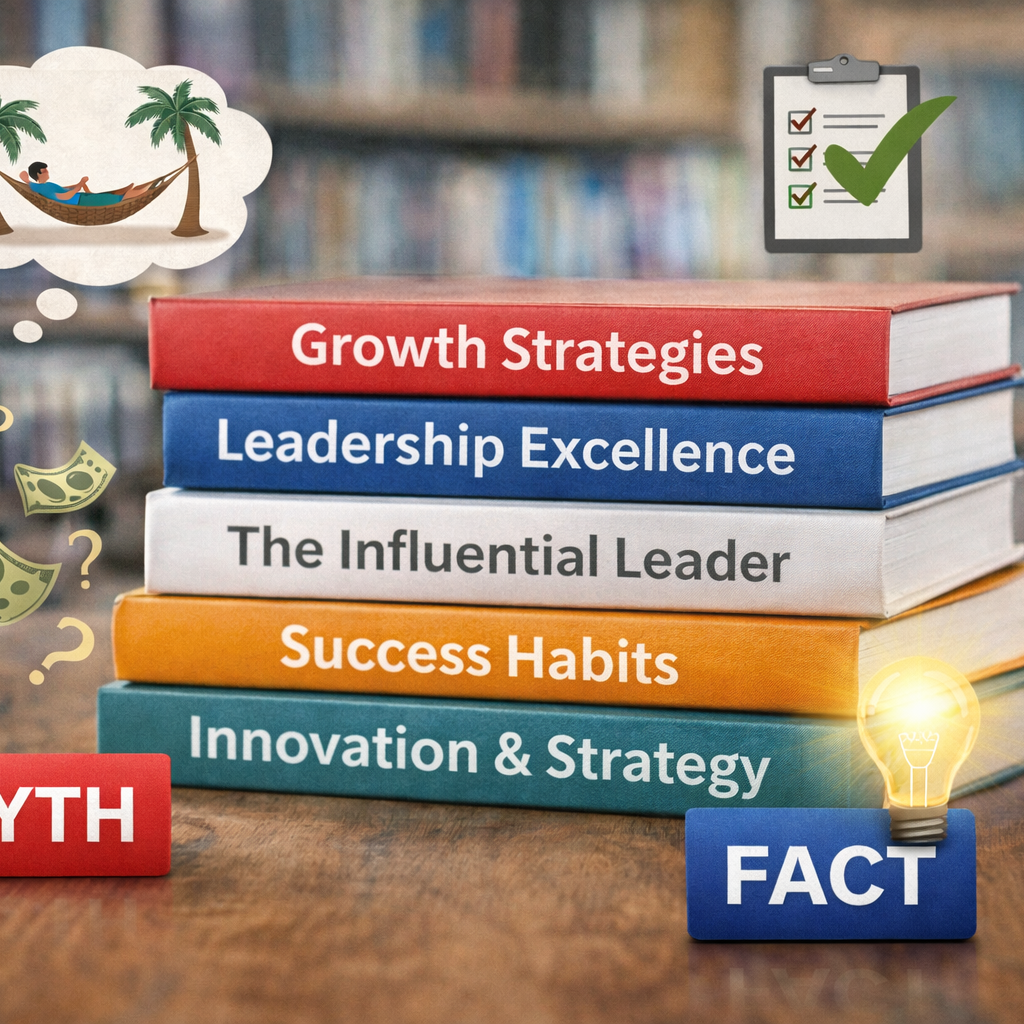

Key Takeaways
- Lasting entrepreneurial success relies on adaptive mindsets, strong brand authority, and tactical frameworks.
- Systems, habit-building, and awareness of industry trends empower founders to scale ethically and sustainably.
In the fast-moving world of service-based entrepreneurship, the right guidance can mean the difference between blending in and building an enduring brand. As you navigate 2026, discover eight core lessons from successful entrepreneurs that can help you elevate your mindset, systems, and strategies for the road ahead.
What Defines Entrepreneurial Success in 2026?
Evolving leadership trends
Today’s entrepreneurial landscape is shaped by rapid shifts—remote work, AI adoption, and rising client expectations all play a part. Effective leaders aren’t just visionaries; they’re adaptable, empathetic, and data-informed. You’ll notice that founders gaining traction in 2026 succeed by blending high-touch connection with the flexibility to update their models as new technologies and consumer behaviors emerge.
Core traits of high-performing founders
Successful entrepreneurs in this era cultivate resilience, self-awareness, and a willingness to learn from feedback. They build trust by communicating transparently with stakeholders, invest in continuous skill development, and don’t shy away from delegating operational tasks. If you want to grow, make it a habit to ask better questions, accept constructive critiques, and focus on delivering consistent, high-value experiences.
How Do Entrepreneurs Build Lasting Brands?
Brand authority
Authority isn’t just about a flashy logo or big claims. It starts with a real desire to help, coupled with a clear point-of-view that stands out. Founders foster authority through sharing insights, documenting wins (and lessons), and showing up consistently—both online and in person. You set yourself apart by being the educator your audience can trust, offering real value without hype.
Credibility for coaches and consultants
For service-based founders, credibility comes through dependable results, ethical testimonials, and transparent communications. Highlighting clear frameworks and client outcomes—with the appropriate disclaimers—lets you showcase your expertise while setting the right expectations. Remember, compliance matters: always frame case studies as examples, not promises or guarantees, and invite prospects to engage thoughtfully.
Why Mindset Shifts Drive Business Growth
Common beliefs to rethink
Many entrepreneurs hold back growth by clinging to old beliefs—like needing to work harder to earn more or fearing delegation means losing control. In 2026, those who grow fastest question these assumptions. Imagine replacing “It’s all on me” with “Leverage multiplies impact.” Let go of comparison traps and focus on your own benchmarks for progress.
Developing a growth mindset
Adopting a genuine growth mindset means seeing every challenge as an opportunity to learn, not as evidence of failure. Embrace experimentation and view setbacks as data. Founders who thrive are curious, adaptable, and willing to tweak their strategies. Incorporate reflective practices, like weekly reviews, to tune your thinking and align actions with your highest-value opportunities.
Step-by-Step Frameworks for Service Businesses
Structuring client experience
Designing seamless client journeys separates forgettable brands from market leaders. Map each stage—from onboarding through delivery and follow-up—to ensure clarity and delight. Set clear expectations, communicate frequently, and gather feedback early and often. This process builds trust and fuels positive word of mouth, the backbone of long-term client retention.
Scaling without sacrificing quality
Growth brings new challenges, especially around maintaining your standards. Document core processes such as intake, project delivery, and follow-up. Develop playbooks your team can follow and optimize over time. Use thoughtful onboarding and training so every client receives consistent value, even as your client base expands.
What Habits Drive Entrepreneurial Success?
Daily routines and discipline
High-performing entrepreneurs are intentional about how they spend their time. Block focused working periods, invest in ongoing learning, and prioritize activities that drive revenue or relationships. Routines don’t have to be rigid—flexibility matters—but consistency compounds over time. Start with one or two high-leverage habits, then build from there.
Consistency versus intensity
It’s tempting to sprint, but long-term growth favors consistency over bursts of effort. Show up daily, even when motivation dips. Celebrate small wins and keep refining your system. Over months and years, these routines become the backbone of your brand’s reputation and resilience.
Are Systems Key to Time Freedom for Founders?
Building effective business systems
Systems create predictable results. Documenting your workflows—everything from lead generation to invoicing—saves mental energy and reduces errors. Tools and technology can help, but the foundation is clarity around what steps matter and how they’re executed. Systems also empower you to step back when needed, keeping your business running smoothly regardless of your presence.
Delegation and automation essentials
You can’t do it all alone. Founders who excel recognize what to delegate, automate, or outsource. Start by listing every recurring task, then determine which need your direct input. Leverage trusted team members, virtual assistants, or automation tools for the rest. This focus creates bandwidth for strategy, innovation, and personal growth.
How Do Industry Trends Inform Strategy?
Watching market signals
Staying ahead in 2026 means keeping your finger on the pulse. Read market reports, attend virtual summits, and participate in peer communities. Look for shifts in client expectations, emerging platforms, or new regulations that could signal opportunity or risk. Use these signals to test, refine, and update your offers before they’re outdated.
Adapting to changing client needs
Listening is a leadership skill. Set up regular feedback loops—surveys, check-ins, or community forums—to capture client sentiment. Be willing to evolve your offerings, pricing, or processes as needs shift. This adaptability keeps your business relevant and resilient, allowing steady growth regardless of market cycles.
Key Takeaways from Entrepreneur Case Studies
Examples of strategic pivots
Consider service founders who shifted from one-on-one consulting to group programs or who leveraged automation to improve client onboarding. These pivots weren’t about chasing trends—they were thoughtful adaptations to new realities and client demands. Case studies show what’s possible, not what’s inevitable, and offer fresh angles for your own strategies.
Lessons learned — not guarantees
Every entrepreneur’s journey is unique. What works for one may not be directly replicable for another. Use these stories as inspiration and information, not promises of outcome. The only constant is the need for ongoing learning, testing, and ethical decision-making as you grow your service-based business.