
7 Business Planning Trends for 2026: Mindset, Growth & Leadership Insights
Key Takeaways
- Adopting a growth-oriented mindset and agile leadership is essential for long-term success in 2026.
- Integrating data-driven planning, ethics, and wellbeing drives sustainable business growth and authority.
As you navigate a world where business priorities and challenges evolve rapidly, adapting your planning strategies can be the difference between thriving and simply surviving. In 2026, service-based entrepreneurs like you face a unique mix of uncertainty and opportunity. To stay ahead, understanding and implementing the latest trends in mindset, growth, and leadership is crucial.
What Are 2026 Business Planning Trends?
Defining business planning in 2026
Business planning in 2026 extends beyond annual budgets and basic goal-setting. Today, it’s about integrating data, agility, ethics, and wellbeing into every strategic move. The focus is on frameworks that allow you to adapt quickly, lead with confidence, and align your business with the changing needs of clients and teams.
Why trends evolve for entrepreneurs
Trends shift because markets, technologies, and client expectations are never static. Entrepreneurs adopt new practices that drive efficiency, resilience, and credibility. Keeping pace with these trends can help you build authority, foster trust, and ensure your business remains relevant in a competitive landscape.
How Is Mindset Shaping Success?
Growth mindset for future leaders
A growth mindset is more than positive thinking—it’s the belief that with effort, learning, and adaptability, you can continuously improve. For future leaders, embracing this mindset means viewing challenges as opportunities and believing in the power of ongoing development, both for yourself and your team.
Common mindset shifts in planning
You may notice shifts like: valuing progress over perfection, prioritizing long-term vision over short-term wins, and using feedback as a source of growth rather than criticism. These changes foster a culture where learning and innovation become core to your business planning.
Trend 1: Data-First Strategic Forecasting
Leveraging analytics for smarter decisions
Data is a strategic asset in 2026. You can use analytics not just to track performance, but to identify trends, forecast demand, and uncover new opportunities. By making decisions rooted in accurate information, you reduce guesswork and improve consistency.
Scenario planning for uncertainty
Scenario planning prepares you for a range of futures. By mapping possible outcomes and building response strategies, you become equipped to handle market shifts, client needs, or economic changes—keeping your plans resilient and actionable.
Trend 2: Adaptive Leadership Evolution
Leadership agility in a changing world
Agile leaders adjust their styles and systems as situations evolve. In 2026, being a successful leader means recognizing when to pivot, delegate, or double down on core strategies. This flexibility empowers your team and anchors your business through change.
Developing emotional intelligence
Emotional intelligence—the ability to understand and manage your emotions and those of others—has become foundational. High-EQ leaders build loyal teams, navigate conflict effectively, and foster better relationships with clients and stakeholders.
Trend 3: Systemizing for Authority and Growth
Building replicable service frameworks
Systemization is about creating reliable processes that deliver consistent value to clients. By documenting workflows and standardizing your service delivery, you set clear expectations, streamline scaling, and create a foundation for team onboarding and delegation.
How can franchises boost credibility?
Franchises thrive on proven systems. By leveraging replicable models, you can maintain quality, ensure brand standards, and attract partners who trust your expertise. This credibility supports organic growth and opens doors for future opportunities.
Trend 4: Compliance and Ethics as Differentiators
Prioritizing trust through transparency
Trust is a valuable currency in 2026. Businesses that prioritize ethical practices and transparent communication set themselves apart. Whether it’s clear pricing, honest marketing, or responsible data management, these choices build client loyalty and protect your reputation.
Navigating regulatory shifts in 2026
Regulatory environments are always changing. Staying informed and proactive ensures your business operates within updated guidelines and avoids costly setbacks. Committing to compliance positions you as a trustworthy leader in your industry.
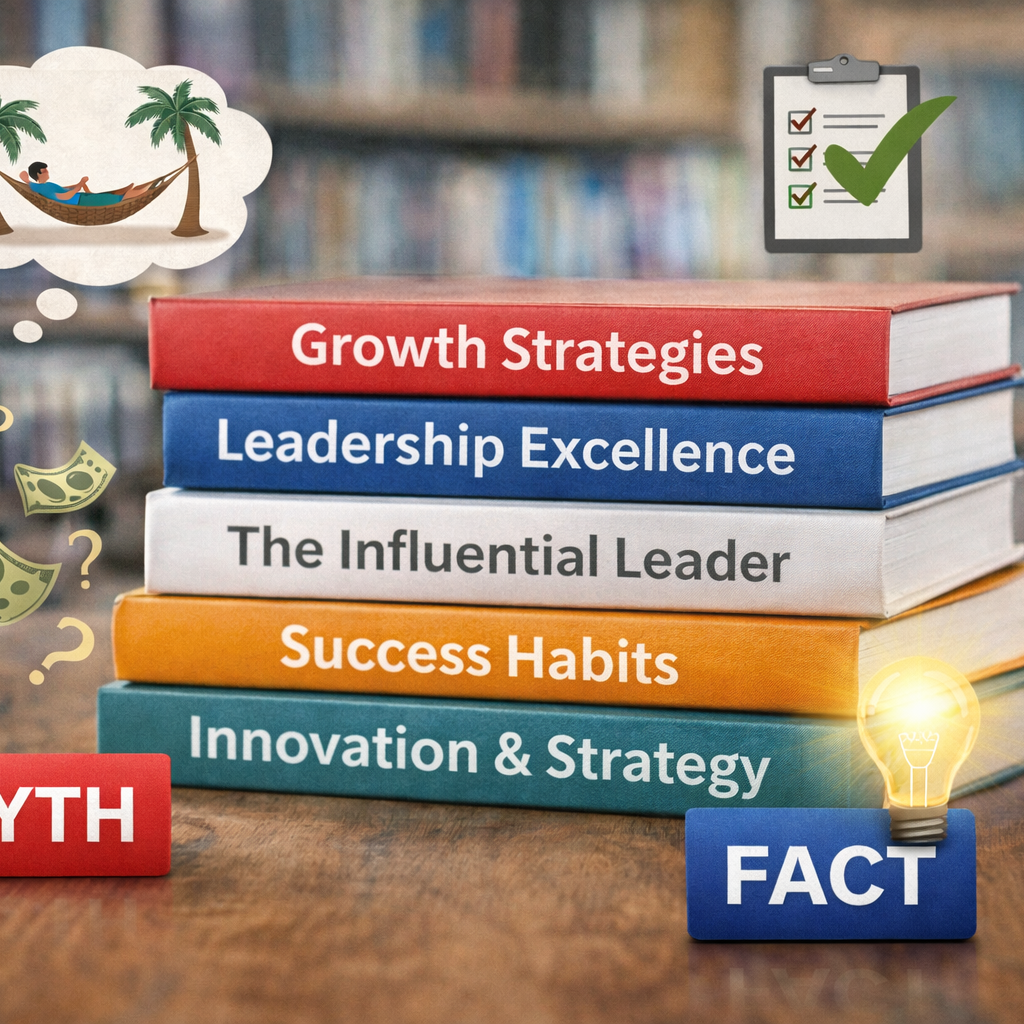
What Growth Myths Still Linger?
Separating fact from fiction in scaling
Not all growth advice stands up to scrutiny. It’s important to question quick fixes, unsubstantiated claims, and trends that promise outsized returns with minimal effort. Sustainable scaling requires patience, systems, and grounded strategies—not shortcuts.
Overcoming ‘overnight success’ expectations
Many founders expect rapid growth, but real results take time and persistence. By rejecting the myth of overnight success, you focus on building durable systems, delivering value, and learning from setbacks—critical elements for long-term progress.
Trend 5: Franchise and Licensing Innovation
Franchise vs licensing—what’s the difference?
While both models let others use your business assets, franchises provide a complete business system including brand, processes, and support. Licensing typically allows use of intellectual property or a specific product. Understanding which suits your goals can maximize your business model’s impact and reach.
Franchise models for service businesses
Service businesses increasingly turn to franchising to scale without diluting quality. By creating documented systems and support mechanisms, you empower franchisees to deliver the same level of service that defines your brand, fostering trust and consistency.
Trend 6: Educational Frameworks for Impact
Why education matters in planning
Ongoing education isn’t just for your team—it’s for clients, too. Sharing expertise positions you as a thought leader and sets clear standards in your industry. Educational content, workshops, and resources help clients understand your value and make informed decisions.
Developing frameworks for future franchisors
If you’re planning to expand through franchising, education is vital. Develop training programs and guides that help new franchisees replicate your success and maintain your reputation. Well-structured frameworks create confident, capable partners eager to grow alongside you.
Trend 7: Wellbeing and Sustainable Growth
Embedding wellbeing into daily models
A healthy business starts with a healthy team. Prioritizing wellbeing through flexible schedules, clear boundaries, and wellness programs ensures your workforce remains engaged, creative, and committed. This focus supports both performance and retention.
Achieving sustainable expansion
Sustainable growth means balancing ambition with stewardship. That includes mindful hiring, responsible budgeting, and proactive risk management—strategies that enable you to scale steadily while maintaining service quality and brand integrity.
How Can You Implement These Trends?
Step-by-step planning overview
To put these trends into action:
- Audit your mindset and leadership approach—look for growth areas and blind spots.
- Analyze data and market scenarios—use insights to inform your strategy.
- Document systems and frameworks—ensure your operations are robust and repeatable.
- Review compliance and ethics policies—prioritize transparency and update practices as needed.
- Invest in ongoing education—for yourself, your team, and your clients.
- Emphasize wellbeing—make it a part of your regular planning and check-ins.
- Set sustainable, achievable goals—build for the long-term, not overnight wins.
Resources for service business founders
Numerous books, podcasts, industry cohorts, and online courses are available to help you adapt these trends to your business. Consider joining entrepreneur communities, networking groups, or mentorship programs where you can exchange ideas, access new frameworks, and accelerate your learning.