
Key Takeaways
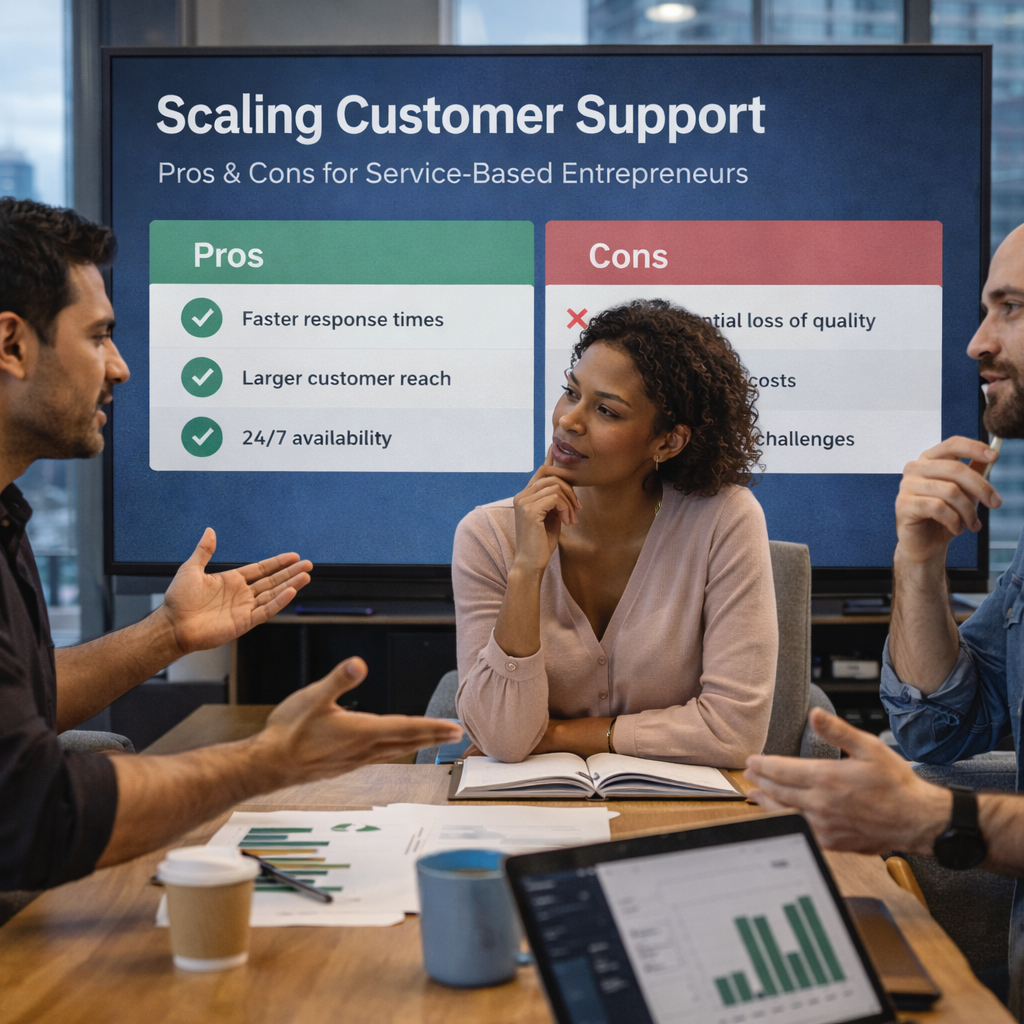
- Upskilling enhances service delivery and credibility, but requires careful management of resources and expectations.
- Identifying team skill gaps and choosing targeted learning frameworks paves the way for long-term business authority.
Did you know that upskilling your business team could be one of the smartest moves you make as a service entrepreneur? With the industry evolving quickly, building relevant skills helps you stay agile and competitive. But before you dive in, it’s important to consider both the benefits and the potential pitfalls, so you can create an upskilling strategy that truly supports long-term growth.
What Does Upskilling Mean for Teams?
Defining upskilling in business
Upskilling refers to the process of teaching employees new skills or enhancing their existing ones—specifically to adapt to changing business needs. In a business setting, this might mean learning the latest industry trends, adopting new service delivery methods, or improving technology competencies. Upskilling is about future-proofing your team so they can rise to new challenges with confidence.
How upskilling applies to service brands
For service brands, upskilling goes beyond technical know-how; it also includes developing soft skills like communication, creative problem-solving, and customer relationship management. Since your business success depends on both expertise and personal touch, upskilling supports your reputation and ensures every client interaction meets high standards. Whether you run a consultancy, coaching service, or digital agency, prioritizing skill development means meeting client expectations and outperforming competitors.
Why Should Entrepreneurs Upskill Their Teams?
Boosting team adaptability
In a fast-moving market, the ability to adapt is essential. When you invest in upskilling, your team gains the flexibility to handle new challenges, shifts in client demand, or changes in technology. Teams that continually learn can reimagine their roles, take smarter initiatives, and quickly bounce back from setbacks. For you as an entrepreneur, this means less stress and more confident problem-solving throughout your organization.
Staying competitive in 2026
Looking ahead to 2026 and beyond, the service sector will remain fiercely competitive. Authority and credibility will depend not just on what you know, but how quickly your team can evolve. Upskilling lets you anticipate trends, pivot your services, and offer innovative solutions that keep you ahead of the curve—crucial for standing out in an industry where expertise is currency.
What Are the Pros of Upskilling?
Improved service delivery
First and foremost, upskilling enables your team to deliver higher quality work. With new skills comes improved accuracy, more efficient workflows, and a proactive approach to solving client needs. This raises your overall service level, which boosts satisfaction and encourages repeat business. You gain a reputation for being forward-thinking and deeply capable—a magnet for both current and prospective clients.
Enhanced team confidence
Investing in team development signals trust and belief in your people. As they master new skills, your team members become more self-reliant, willing to take on bigger projects or more complex client requests. Confidence translates to better communication, quicker decision-making, and a positive team culture—a virtuous cycle that can recharge your entire operation.
Leadership perspective on growth
From a leadership standpoint, upskilling offers peace of mind. You know your business isn’t vulnerable to sudden market changes or shifting client trends. It also shows prospective partners and clients that you prioritize growth and excellence. While business results always depend on multiple factors and upskilling alone isn’t a magic bullet, the habit of continuous learning is a hallmark of strong, resilient organizations.
Are There Downsides to Upskilling?
Time and resource demands
While the benefits are significant, upskilling comes with real costs. Training sessions, workshops, or e-learning programs require both time and money. When resources are tight, it can be challenging to balance immediate business needs with the long-term payoff of education. You may need to delegate, reshuffle priorities, or even press pause on certain projects to make training possible—planning becomes critical.
Potential short-term disruptions
Introducing new skills or systems can also cause short-term disruption. As team members adjust, you might notice dips in productivity or uncertainty about new processes. Some people may resist change, feeling overwhelmed by extra responsibilities. Clear communication, phased training, and supportive check-ins help, but expect a temporary learning curve as upskilling initiatives take hold.
How Does Upskilling Impact Business Authority?
Trust signals for prospective clients
Clients in the service sector want to know they’re working with trusted experts. Highlighting your team’s ongoing development—through certificates, published learning journeys, or visible upskilling programs—sends a powerful message of credibility. It demonstrates that you value quality and are serious about staying current. Over time, these trust signals become crucial differentiators when a client chooses between you and a competitor.
SEO and credibility connections
Upskilling isn’t just good for internal growth; it can also directly impact your online presence. Sharing insights, case studies, or thought leadership on your website boosts SEO, as search engines value original, authoritative content. When you document skill development through articles, videos, or webinars, you attract search traffic and reinforce your brand’s authority in the digital space. Remember, this educational content should always be framed for general information—avoiding any promises or guarantees about results.
Upskilling: Key Tips for Service Entrepreneurs
Identifying skill gaps
Start by mapping the specific skills your business needs now and those required for future growth. Analyze past client feedback, team self-assessments, and current role descriptions to uncover strengths and weaknesses. Involving your team in this process encourages buy-in and helps you address the most relevant gaps first.
Choosing growth-focused frameworks
Rather than adopting random training topics, select upskilling frameworks that align with your business goals. Think about programs that bridge immediate needs with long-term vision—such as leadership development, advanced marketing, or project management. Focus on learning methods that allow your team to apply knowledge right away, fueling real-world progress you can see.
Utilizing educational SEO resources
Leverage free and reputable educational resources—blogs, online courses from known sources, or industry webinars—to keep your team learning affordably. Document your upskilling journey (and your team’s insights) on your website for added SEO benefit. Sharing your experience not only helps others but also positions you as an expert, provided you frame every story as an example, not a guarantee of results.