
Key Takeaways:
- CRM empowers entrepreneurs to automate, personalize, and strengthen client relationships efficiently.
- Adopting a relationship-focused, consistent approach to CRM fosters sustainable business growth and authority.
Picture yourself managing five client calls, negotiating new contracts, and trying to remember which client prefers email over a quick call. As an entrepreneur, especially in the service-based world, your calendar and mental checklist grow faster than your free time. This is where Customer Relationship Management (CRM) transforms chaos into clarity: by giving you structure, insight, and a personal touch that scales with your ambition.
What Is Customer Relationship Management?
Defining CRM in Modern Business
At its core, customer relationship management is both a business strategy and a collection of systems designed to organize, track, and optimize client relationships. In 2026, CRM is less about software alone and more about intentional processes. It covers every interaction you have with leads, prospects, and clients—from first discovery through ongoing loyalty.
How CRM Has Evolved for Entrepreneurs
Once reserved for global corporations, CRM is now tailored for entrepreneurs, solopreneurs, and boutique consultancies. Modern CRM solutions focus on empowering smaller teams to deliver personal yet scalable service. Today, even solo operators leverage CRM to automate follow-ups, track history, and nurture long-term loyalty without losing their human touch.
Why Do Entrepreneurs Need CRM Systems?
Benefits for Service-Based Businesses
For service-based businesses, relationships are not just important—they are the business. CRM systems help you keep all crucial information at your fingertips, from notes after a discovery call to reminders for milestone check-ins. This centralized approach reduces errors, improves client satisfaction, and supports referrals and repeat business.
Case Examples: Coaches and Consultants
Imagine a business coach using a CRM to send automated follow-ups while customizing session agendas based on past feedback. Or, consider a consultant who tracks client progress, shares tailored resources, and never misses a renewal date. In these real-world cases, CRM isn’t just about software; it’s about creating seamless, responsive client experiences at scale.
How Does CRM Impact Time Freedom?
Automating Routine Client Tasks
One of the most valued aspects of CRM is automation. By automating appointment confirmations, follow-up reminders, and onboarding flows, you free your schedule from repetitive tasks. This means spending more time on growth, creative work, or simply recharging—essential for entrepreneurs who wear many hats.
Freeing Up Mental Bandwidth
With routine details off your mind, you gain mental bandwidth. Knowing that outreach and accountability checks run on schedule helps reduce stress and decision fatigue. This clarity allows you to focus on strategic decisions instead of day-to-day logistics.
What Mindset Shifts Unlock CRM Results?
From Transactional to Relationship-Focused
Successful CRM begins with a mindset shift: moving from seeing clients as transactions to valuing them as partners in a long-term relationship. When you focus on adding value and understanding client needs beyond the immediate project, CRM supports genuine loyalty and advocacy.
Consistency and Habit Formation
CRM tools are most effective when embedded into daily habits. Set aside a few minutes each day to review client notes, check workflows, and assess relationship health. Over time, this consistency builds trust—clients feel seen, heard, and remembered at every touchpoint.
Customer Relationship Management Strategies That Work
Proactive Communication Frameworks
Don’t wait for a client to reach out with an issue. Use CRM to create structured communication cadences (such as weekly status emails or monthly check-ins). Proactive touchpoints reassure clients and address concerns before they escalate, strengthening your authority and fostering trust.
Personalization and Authority Building
A robust CRM allows you to track unique client data: their business milestones, preferences, and challenges. Use this information to personalize your approach, share curated resources, or celebrate wins. Over time, this builds your reputation as an insightful, thoughtful partner—not just a service provider.
Step-by-Step CRM Setup Guide for Entrepreneurs
Mapping Your Client Journey
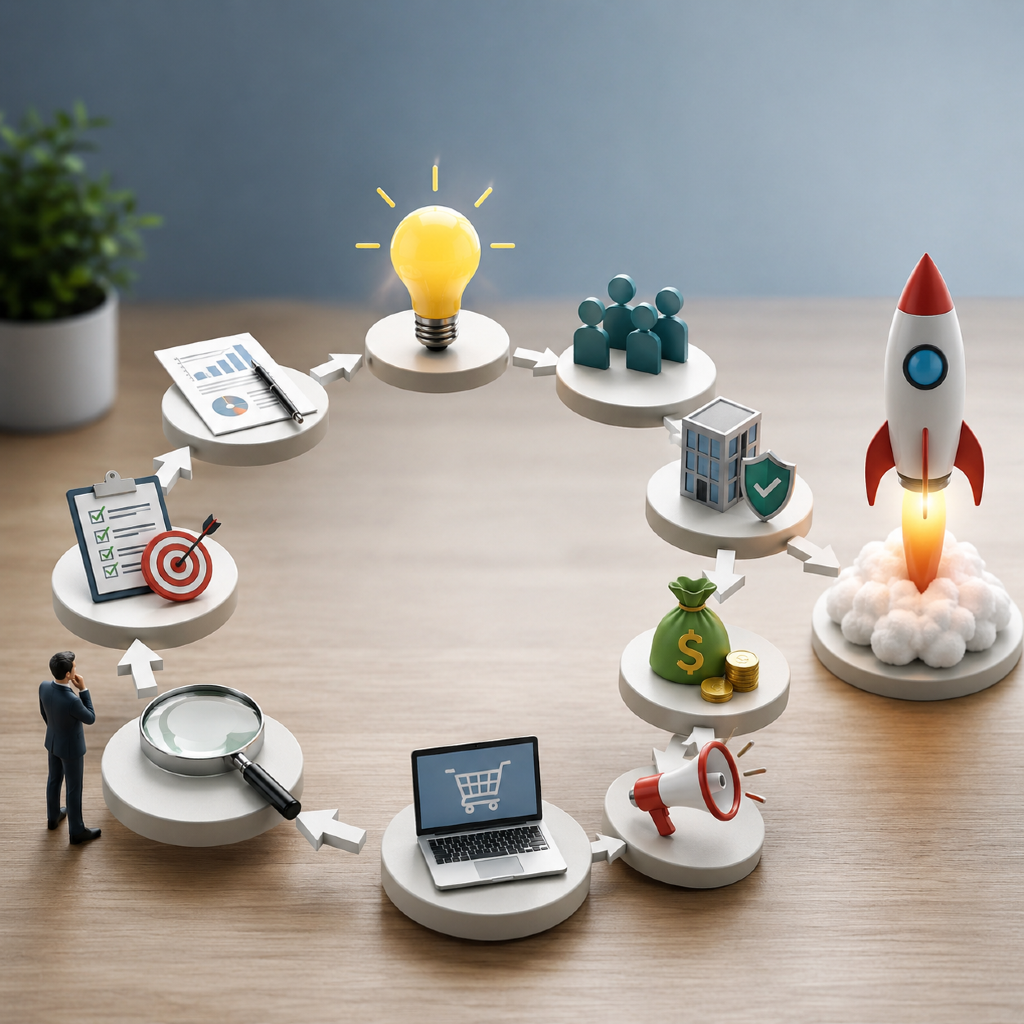
Start by mapping the client journey from first contact through project completion and follow-up. What are the key stages, handoffs, and pain points? Clarify what information you need at each stage to deliver value and keep clients engaged.
Foundational CRM System Setup
Next, select a CRM platform that matches your needs and scale. Input your client journey stages and set up templates for emails, proposals, and check-ins. Import existing contacts, set reminders for key dates, and document important notes. Review automations that can save you time without sacrificing personal connection.
What Are Common CRM Questions for Entrepreneurs?
Choosing the Right CRM Approach
With countless CRM tools available, the real decision isn’t about features—it’s about fit. Consider your business size, workflow needs, and current client load. Sometimes a spreadsheet or lightweight tool is enough; other times, robust automation justifies a more comprehensive solution. The right approach is one you’ll actually use consistently.
Avoiding Overwhelm and Tech Fatigue
Staying productive means avoiding tech overwhelm. Start simple and expand only as needed. Block regular time to review processes. Remember, CRM works best as a supportive framework for relationships—not as a replacement for real conversation and connection.
Tactical Tips for Daily CRM Success
Tracking Client Interactions Efficiently
Develop a habit of jotting down brief notes after each client interaction. Many CRM systems facilitate quick updates from your phone or desktop, making this process seamless. Accurate notes ensure every conversation builds on prior interactions, improving service quality and client satisfaction.
Staying Consistent Without Burnout
Set specific times each week for CRM reviews: review open tasks, check in with dormant leads, and update client records. Never aim for perfection—just regular improvement. This steady rhythm reduces last-minute scrambles and burnout.
CRM Best Practices for Authority and Growth
Delivering Value at Every Client Touchpoint
View every interaction as an opportunity to deliver value. Whether it’s an onboarding email or a project wrap-up, share tips, relevant content, or personalized feedback. This approach deepens relationships and elevates your status as a go-to resource.
Leveraging CRM Data for Authority Positioning
Assess your CRM data to identify trends: which clients are most engaged, what touchpoints yield referrals, and where service can improve. Sharing relevant insights with your audience (anonymously, of course) showcases your expertise and fosters trust.
FAQ: CRM for Solopreneurs, Coaches, and Consultants
Can CRM Support Business Growth?
CRM provides clarity, organization, and stronger relationships, all supporting healthy business growth. While outcomes will vary, consistent use of CRM frameworks can help create more streamlined, scalable operations.
Is a Complex System Really Necessary?
For many solopreneurs, a simple CRM is often sufficient. The system should match your workflow and support relationship-building—not complexity for its own sake. Start small, master foundational steps, and evolve as your needs change.