
Key Takeaways
- Modern entrepreneurship in 2026 centers on adaptability, value creation, and digital presence driven by emerging leadership trends.
- Taking action on these nine steps positions you to build authority, credibility, and growth within evolving business models.
Are you ready to launch your next business or grow your service-based brand in 2026? This year brings fast change, with new leadership trends shaping how entrepreneurs start strong and adapt for the future. Here’s your actionable blueprint to navigate the modern entrepreneurial landscape with clarity, authority, and confidence.
What Defines Modern Entrepreneurship in 2026?
Evolving business models
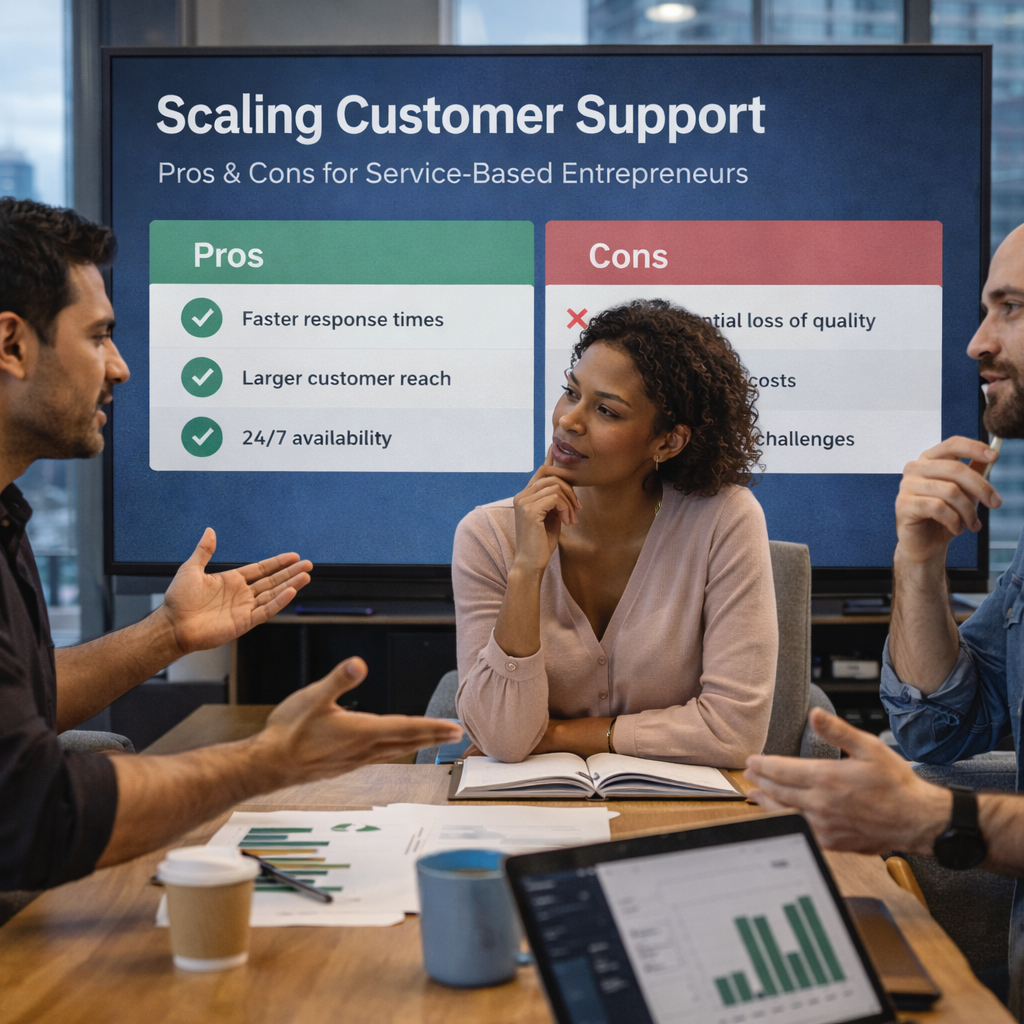
The entrepreneurial landscape in 2026 is more dynamic than ever. Cloud-based services, hybrid and remote teams, and digital platforms have become the norm. Many businesses now operate leaner, leveraging freelancers, automation, and online tools to reach clients worldwide. These shifts mean you’ll need a flexible business model right from the start.
Influence of leadership trends
Modern leaders stand out for emotional intelligence, inclusivity, and adaptability. 2026 entrepreneurs are learning to lead without hierarchy, foster trust, and build communities around their brands—not just companies. Embracing these trends positions you as a forward-thinking founder equipped for long-term impact.
Step 1: Clarify Your Unique Value Proposition
Identifying market needs
Before building your brand or choosing tools, get close to your ideal clients. What problems do they face? What are they missing from current solutions or providers? Use surveys, social listening, or direct interviews to pinpoint gaps so you serve an authentic need.
Differentiating your offering
To thrive, you must stand apart in a crowded market. Define what makes you different—be it your process, your expertise, or your unique outlook. This clarity helps you communicate value clearly and attracts the right audience, cutting through noise in 2026’s digital marketplace.
Step 2: Develop an Entrepreneurial Mindset
Growth-oriented thinking
Success begins in your mindset. Think like a learner, not just a doer. Embrace new ideas, technologies, and changing client expectations with curiosity. See mistakes as data—each one offering feedback to help you improve your offer, your positioning, and your operations.
Resilience and adaptability
Change is now constant. Build resilience by accepting setbacks as part of your growth. 2026 entrepreneurs who pivot quickly, adapt to new leadership models, and manage uncertainty with a calm outlook are primed to weather challenges and grab emerging opportunities.
Step 3: Explore Trending Business Models
Popular models among solopreneurs
Service-based businesses, online courses, and community-driven platforms dominate 2026’s landscape. Many founders start as solopreneurs offering coaching, consulting, or digital services. Others blend these offerings with subscription models, digital products, or niche memberships to create recurring revenue streams.
Which models fit your expertise?
Pick a business structure that suits your background and goals. If you excel at teaching, consider cohort-based programs or mastermind groups. If you have deep technical skills, consulting or freelance work could be ideal. Align your business model with what you’re best at and what your market values most.
Step 4: Build Authority and Credibility
Establishing thought leadership
Authority isn’t about self-promotion—it’s about sharing ideas that help others. Own your expertise by contributing to relevant conversations, publishing insights, or speaking at virtual events. Consistent, thoughtful contributions position you as a go-to expert.
Showcasing expertise online
In 2026, your digital footprint is often someone’s first impression. Maintain an up-to-date website, LinkedIn profile, and active presence in niche communities. Share case studies and testimonials as examples (never guarantees) of your work’s impact. Authority builds trust, bringing new clients and collaborators your way.
Step 5: Leverage Professional Networks
Finding like-minded entrepreneurs
Community still trumps competition. Join mastermind groups, online forums, or local meetups. Surround yourself with other growth-minded founders who openly share wins, lessons, and introductions. Your network is a source of support, feedback, and fresh ideas.
Collaboration opportunities
Partnerships can amplify your reach in today’s market. Co-create content, host joint workshops, or launch bundled offerings with peers in your ecosystem. These collaborations help you reach new audiences and learn different business approaches—without competing on price or resources.
Step 6: Design Effective Habits for Growth
Daily routines of top founders
Prosperous entrepreneurs often credit simple, repeatable routines: dedicated time blocks for creative work, set hours for calls, and daily reflection or learning. Protecting your most productive hours for high-impact tasks creates consistency and reduces overwhelm.
Maintaining momentum long-term
Growth is a marathon, not a sprint. Establish weekly check-ins to review progress, reset priorities, and celebrate small wins. Sustainable habits—like batch-working, regular break times, and clear boundaries—help you avoid burnout and maintain your drive.
Step 7: Establish a Strong Brand Presence
Optimizing your digital platforms
Your online presence is your front door. Ensure your website and social profiles are up-to-date, visually consistent, and speak directly to your desired clients. Make navigation easy, display your services clearly, and provide paths to contact or book a consult.
Content strategies for engagement
Content builds credibility and connection. Post insights, client stories (with permission, framed as individual results), and industry perspectives across channels where your audience gathers. Video, podcasts, newsletters, and micro-content on social platforms all help you connect and convert prospects into clients or community members.
Step 8: Navigate Common Entrepreneurial Challenges
Overcoming early-stage obstacles
Every founder faces hurdles: unclear offers, inconsistent leads, and technical headaches are common in year one. Approach each challenge with patience and a learning mindset. Focus on solving one problem at a time—and remember, steady progress beats perfection.
Where to seek support and guidance
You don’t have to go it alone. Tap mentors, mastermind groups, and sector-specific communities when you hit roadblocks. Regular peer check-ins reveal new solutions and shorten your learning curve, even when the market changes quickly.
Step 9: Measure Progress and Adapt Strategies
Tracking key performance indicators
What gets measured, gets managed. Set clear metrics for your main goals—leads generated, client retention, engagement levels, or project delivery times. Simple dashboards or spreadsheets can help you see trends and make informed adjustments.
How often should you pivot?
In 2026, agility is essential. Review key results monthly or quarterly, asking yourself if your current approach still aligns with your audience’s needs and market realities. Don’t be afraid to make small pivots—changing your offer, pricing, or outreach channels—if your data and feedback call for it.
How Can Entrepreneurs Stay Ahead in 2026?
Embracing ongoing education
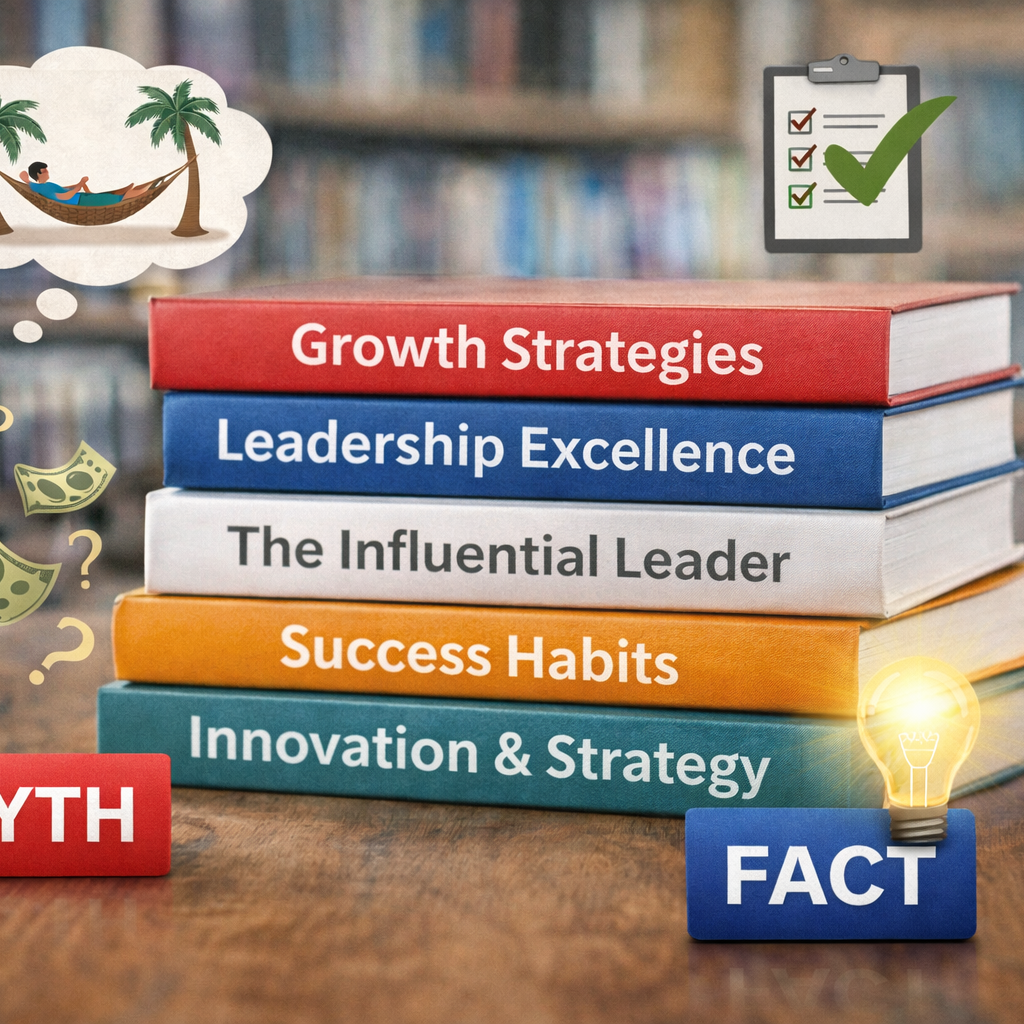
Lifelong learning is vital. Set aside regular time for courses, books, or conferences. Stay up to date with leadership trends and business innovations so you can quickly spot opportunities others miss.
Monitoring emerging leadership trends
Track the latest in digital leadership, remote collaboration, and client experience. Subscribe to curated newsletters or podcasts and attend virtual summits featuring industry voices. Staying ahead means keeping your thinking and approach fresh as new trends unfold.
Starting your entrepreneurial journey in 2026 means leading with vision, learning fast, and building genuine connections. Take these nine steps to position yourself as an authority, stand strong amid uncertainty, and create meaningful impact for years to come.