
Key Takeaways
- Building lasting customer loyalty requires a balance of emotional and rational drivers, personalization, and continual optimization.
- Following a structured loyalty framework enables your business to consistently grow trust, boost retention, and enhance competitive advantage.
In 2026, customer loyalty is emerging as the defining advantage for entrepreneurs and service-based businesses. Let’s break down what loyalty truly means, why it matters now more than ever, and a proven sequence of steps for building a robust loyalty framework—so your business earns trust and long-term growth.
What Is Customer Loyalty?
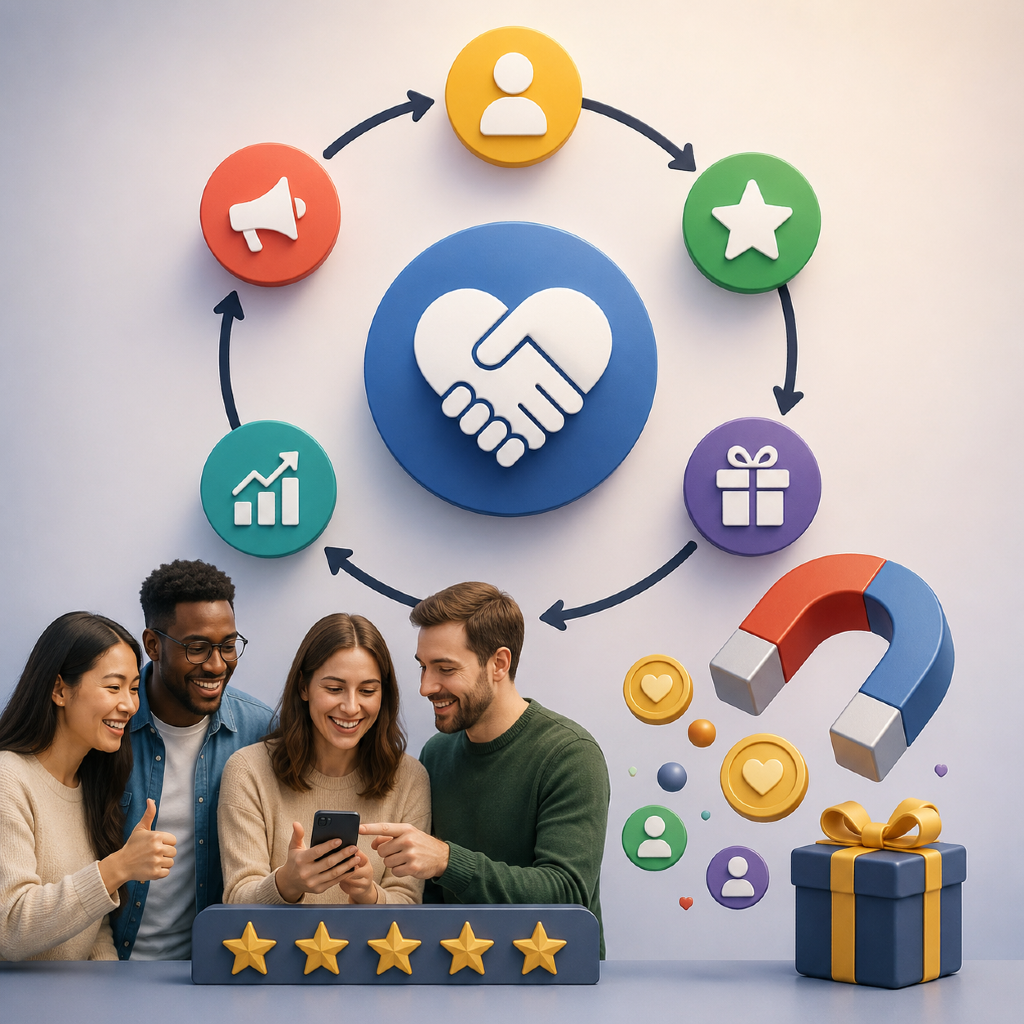
Customer loyalty is more than repeat purchases; it’s about creating advocates who willingly recommend your business. To foster this deeper connection, it’s important to understand the core distinctions and the drivers behind loyalty.
Loyalty versus customer satisfaction
Customer satisfaction indicates that your service met or exceeded expectations—a necessary foundation, but it doesn’t guarantee repeat business. Loyalty, by contrast, reflects a customer’s ongoing preference, resilience to competitors’ offers, and willingness to advocate for your brand. Think of satisfaction as the gateway; loyalty is the ongoing relationship.
Emotional and rational loyalty drivers
Loyalty can take root in both emotions and logic. Rational loyalty stems from tangible benefits—fair pricing, reliable delivery, and high-quality services. Emotional loyalty, meanwhile, is fueled by how your customer feels about their interactions: trust, a sense of belonging, or even pride in association. The strongest customer relationships arise when you address both sets of drivers, giving your clients plenty of reasons to return and to care.
Why Does Customer Loyalty Matter in 2026?
With rising competition and a marketplace shaped by transparency and instant information, loyalty has become a cornerstone for growth-oriented entrepreneurs.
Effects on business growth
Loyal customers are not just more likely to buy again; they’re more cost-effective to retain and can serve as your greatest marketing advocates. According to recent studies, companies focused on loyalty can experience faster growth over time. However, these results depend on strategic consistency, ongoing value delivery, and adaptation—there are no guaranteed outcomes, only probabilities enhanced by best practices.
Current trends in consumer trust
Today’s consumers are well-informed and cautious with their trust. In 2026, authenticity and transparency remain critical for earning loyalty. Customers increasingly reward businesses that are attentive, honest, and responsive. That means your reputation—and how you handle feedback or setbacks—now directly impact the level of loyalty you can expect.
What Are the Best Practices for Loyalty?
Building loyalty is never accidental. Here’s how you can consistently create experiences that transform satisfaction into enduring allegiance.
Personalization and relevance
Personalized communication and tailored offers help your customers feel seen as individuals rather than anonymous sales targets. Use data thoughtfully to deliver messages and rewards that align with their needs, preferences, or past interactions. Authenticity always wins over generic automation.
Consistent customer experience
Loyalty thrives when every interaction, whether online, in person, or over the phone, meets or surpasses expectations. Document your service standards, make quality training routine, and empower your team to fix mistakes quickly. Consistency—especially during moments of frustration—keeps customers choosing you over alternatives.
Feedback and active listening
Invite feedback through surveys, brief conversations, or open channels—then make a point of acting on it. When customers see that their voice leads to real improvements, it deepens their trust and commitment. Close feedback loops publicly by sharing what has changed as a result of their input.
Step 1: Define Your Loyalty Goals
Align goals with business strategy
Begin by aligning your loyalty ambitions with your broader business objectives. Are you aiming to increase client retention, grow referrals, or boost engagement with higher-level services? Clear alignment lets every loyalty tactic support tangible growth targets.
Identify success metrics
Decide how you’ll measure loyalty: repeat purchase rates, Net Promoter Score (NPS), membership retention, or customer lifetime value. Establishing these metrics up front gives you a baseline for progress and clarity for your team.
Step 2: Map Your Customer Journey
Touchpoint analysis
Visualize every step your customer takes from first contact through ongoing relationship. Map each touchpoint—website visit, consultation booking, service delivery, follow-up, etc. This clarity helps you spot where loyalty can be won or lost.
Pain point identification
Every customer journey has friction points: confusing onboarding, delayed responses, or unclear billing. Identify and prioritize fixing these areas. Proactive improvements here can turn a negative moment into an opportunity for building loyalty.
Step 3: Design Your Loyalty Framework
Selecting rewards structures
Motivate return behavior with a rewards system that aligns with your customers’ true interests. This could include tiered discounts, exclusive access, or personalized perks for referrals. The most effective structures fit naturally with your brand and customer base, reinforcing positive actions without undermining your value.
Integrating relationship-building tactics
Go beyond transactions. Develop rituals for recognizing milestones (like anniversaries), celebrating customer success, or providing surprise bonuses. These personal touches help turn professional relationships into partnerships—and set your service apart.
Step 4: Measure and Optimize Loyalty Efforts
Key performance indicators
Track the metrics you identified earlier on a monthly or quarterly basis. Look for trends: Is customer retention improving? Are you getting more positive reviews? When numbers fluctuate, dig deeper to understand why.
Continuous improvement strategies
Loyalty is dynamic—what worked last year may need refining now. Schedule regular reviews of your approach: solicit fresh feedback, update rewards, and re-train staff as needed. Stay flexible. Optimizing loyalty is as much about learning from setbacks as it is about celebrating wins.
How Can Small Businesses Stand Out?
Niche positioning for loyalty
Small businesses have the unique ability to claim a distinct niche or specialty. Focus on serving a clearly defined segment, emphasizing expertise and deep understanding of your customers’ specialized needs. Niche leaders often attract fiercely loyal clientele who feel underserved by larger, generic competitors.
Leveraging personalized engagement
Use your size as an advantage. Personally reach out to your customers, remember their preferences, and act quickly to resolve issues. Handwritten notes, check-in calls, or VIP invitations create connection—and are often impossible for larger brands to replicate at scale.