
Key Takeaways:
- Business education can provide entrepreneurs with valuable frameworks, skills, and credibility, but it has limitations and should be aligned with your business goals.
- Assessing your learning style and considering alternatives are crucial to maximizing the real-world impact of any entrepreneurial education.
Pros and Cons of Business Education for Entrepreneurs: Skills and Credibility Insights
A founder once paused at a crossroads: should she invest time in an MBA or double down on bootstrapping her company? The decision weighed on her not only for the knowledge, but for the credibility and connections such a commitment might bring. Her story spotlights a question many entrepreneurs face—will formal business education truly serve your journey, or is real-world experience enough?
What Defines Business Education for Entrepreneurs?
Core frameworks and curriculum focus
Business education for entrepreneurs typically centers on comprehensive frameworks intended to guide decision-making and growth. Curricula often feature topics like finance, marketing, operations, strategy, and organizational behavior. Whether through a traditional MBA, executive program, or short-form courses, the focus is on breaking complex concepts into actionable pieces you can use to solve actual business problems. Modules might include case analysis, simulations, and structured peer discussions—all designed to mirror real challenges entrepreneurs encounter.
Skills and competencies addressed
These programs strive to develop both hard and soft skills. You’ll cover financial modeling, market research methods, project management, and regulatory basics. But just as important are competencies like leadership, ethical decision-making, team building, and resilience under pressure. Programs are increasingly integrating mindset development and systems thinking, recognizing that today’s founder must adapt rapidly in uncertain environments.
Formal versus informal learning
Entrepreneurial learning isn’t confined to lecture halls. Formal paths include MBA and executive education, offering structured content and recognized credentials. Informal options range from online workshops, mentorships, and masterminds to self-directed study and on-the-job experience. The latter can deliver hyper-relevant insights—especially when learning is rooted in your own business context. Savvy founders often blend both types, building a toolkit that’s flexible and directly applicable.
How Does Business Education Build Credibility?
Authority and perception in the market
A recognized business education often signals seriousness and depth, affecting how others see you. Investors, clients, and potential partners may weigh your educational background when assessing risk and long-term potential. For early-stage entrepreneurs, a degree or certificate can act as a credential that helps open doors and establish initial trust, especially when industry experience is light.
Industry-recognized credentials
Programs accredited by respected bodies or with strong alumni networks provide social proof. While credentials alone don’t guarantee competence, they often serve as shorthand for a certain standard of knowledge and discipline. For service-based founders—consultants, coaches, or agency owners—these accreditations can enhance your perceived ability to deliver value and reinforce your authority within your niche.
Influence on trust and brand presence
Credibility extends beyond personal reputation; it shapes your business brand as well. Showcasing formal training can help differentiate your offer, especially in crowded markets where distinguishing expertise is vital. Incorporating educational milestones into your story—on your website, presentations, or media outreach—often signals a dedication to ongoing learning and professional growth.
Key Skills Gained from Business Programs
Leadership and decision-making
Business education places strong emphasis on leadership development. Through case studies and peer learning, you build confidence in making tough calls and leading teams through uncertainty. Structured feedback and guided reflection help you recognize your decision-making patterns, a critical skill for scaling your influence across a growing business.
Systems thinking and time management
Modern business programs encourage you to see your venture holistically—understanding how functions like sales, finance, and operations interconnect. This promotes systems thinking, enabling you to anticipate bottlenecks and design more sustainable processes. You’ll also be introduced to proven time management tools, which are invaluable as your roster of roles and responsibilities expands.
Communication and negotiation
Whether pitching to investors or negotiating with partners, clear communication elevates your impact. Business education hones your ability to craft persuasive messages, frame strategic proposals, and navigate complex conversations with stakeholders. You’ll practice negotiation techniques that can result in better deals and stronger relationships, ultimately supporting your long-term business growth.
What Are the Limitations of Business Education?
Gaps between curriculum and real-world needs
While business programs offer a strong foundation, they sometimes lag behind the evolving startup landscape. Tech advances, regulatory shifts, or the latest go-to-market models may not be fully represented in the curriculum. Many entrepreneurs find that classroom scenarios, while instructive, differ significantly from high-stakes decisions where ambiguity and risk prevail. Applying learned frameworks often demands creativity and a willingness to improvise.
Resource investment considerations
Pursuing a formal program can require significant financial and time commitments. Tuition, materials, and lost opportunity cost add up, especially if you’re bootstrapping. For founders balancing immediate business needs, the ROI on formal education isn’t always clear-cut. Weigh what knowledge and connections you might gain against the pressing demands of your current venture.
Adaptability to evolving markets
The pace of change in entrepreneurship—especially in digital-first fields—means knowledge can quickly become outdated. Programs that lack ongoing curriculum updates or practical components may leave you underprepared for new business realities. Staying adaptable means seeking out supplemental learning and staying connected to real-world trends as they unfold.
When Does Business Education Make Sense for You?
Assessing goals and learning styles
Reflect on what you hope to achieve through business education. Are you seeking strategic frameworks, networking, or formal credentials? Think about your preferred way of learning: do you thrive in structured settings, or do you excel with hands-on experimentation? Honest self-assessment clarifies whether a formal or informal pathway will be most effective for you.
Alternatives and supplemental pathways
You don’t have to choose between business school and self-reliance—many entrepreneurs combine both. Alternatives like industry conferences, mastermind groups, curated online programs, and targeted coaching can deliver powerful results. Often, the most effective approach is modular: investing in essential foundational learning, then supplementing with real-world practice and peer support.
Aligning education with business stage
Your current business stage—ideation, launch, or scaling—should influence education decisions. Early-stage founders might prioritize programs that build strategic fundamentals, while those scaling may opt for short-form executive courses or peer advisory boards that address specific challenges. The right fit evolves with your business and your own growth as a leader.
FAQ: Entrepreneurial Education Essentials
Is formal education required for entrepreneurs?
No. Many successful entrepreneurs have built meaningful companies without degrees or business school credentials. While formal education can accelerate learning and boost credibility, it’s not mandatory—what matters most is building relevant skills and a track record of results.
How to choose the right program?
Start by clarifying your business goals, then research programs with proven outcomes in those areas. Look for curricula aligned with your industry, teaching styles you enjoy, and strong alumni or networking support. Remember to verify program accreditation and consider how flexible the format is relative to your schedule.
What are common misconceptions?
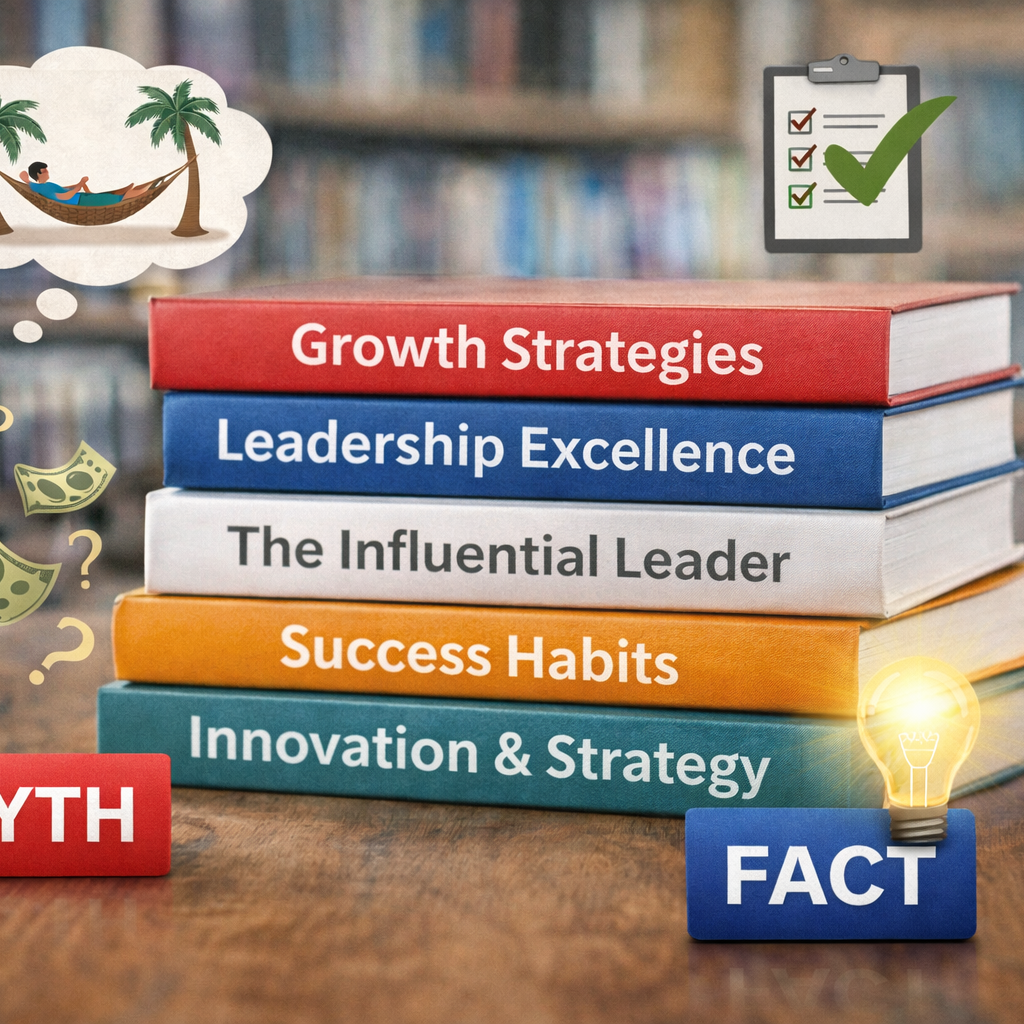
A common misconception is that a degree will guarantee entrepreneurial success. In reality, business education is a support—not a shortcut. It’s meant to complement your hands-on experience, not replace it. Another myth is that all business skills are learned in school; in fact, ongoing curiosity and adaptability are vital over the long haul.