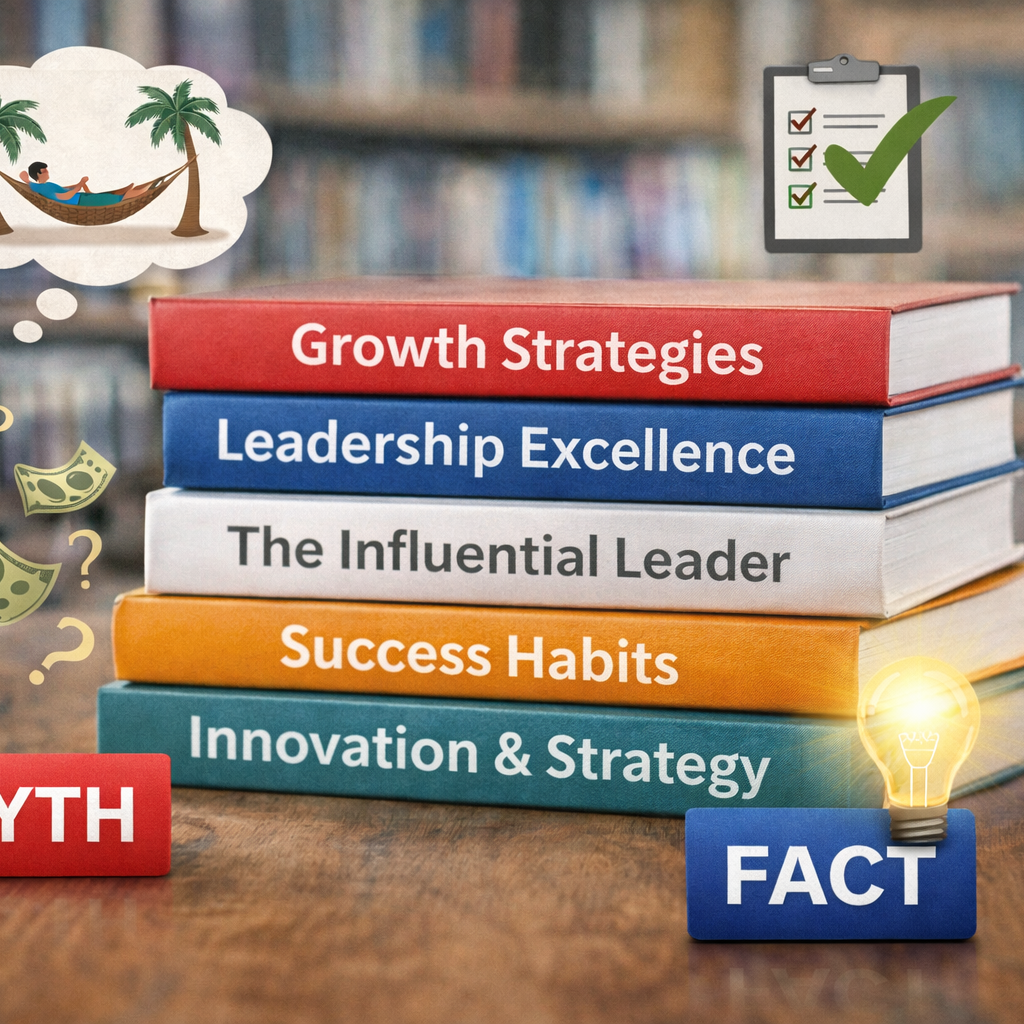

How to Leverage Business Education for Entrepreneurs: Growth, Mindset & Leadership
Key Takeaways
- Business education empowers you to confidently navigate market changes, develop a growth mindset, and lead with authority.
- Integrating ongoing learning into your daily routine helps drive business growth and opens up new opportunities.
Business education isn’t just for corporate executives or MBA hopefuls—it’s one of your most valuable tools as an entrepreneur. Whether you’re scaling your coaching business or looking for smarter ways to lead, investing in your development shapes your mindset and your revenue potential.
What Is Business Education for Entrepreneurs?
Core topics and skills covered
At its heart, business education for entrepreneurs focuses on essential areas like strategic planning, marketing, operations, finance, leadership, and innovation. You’ll learn how to build client pipelines, manage resources, shape competitive offerings, and analyze your performance.
But there’s more to the curriculum than spreadsheets or theory. Real business education teaches you problem-solving, adaptability, negotiation, and decision-making—the skills that help you handle fast-moving changes and real-world obstacles.
Formal vs. informal education options
Formal options include business degrees, professional certifications, and accredited online courses. These provide depth and structure, allowing you to build a solid knowledge foundation.
Informal paths often prove just as valuable. Masterminds, workshops, peer groups, books, podcasts, and direct mentorship can give you insights into current trends and best practices. Today, blending both streams ensures you apply proven fundamentals while staying flexible and innovative.
Why Is Business Education Essential Today?
Navigating changing markets
Entrepreneurship now demands quick adaptation. Markets shift, new competitors emerge, and client needs evolve. A commitment to business education enables you to spot patterns before they become problems and to pivot your approach confidently instead of relying solely on what’s worked in the past.
Developing a competitive mindset
To stand out, you need both skill and perspective. Ongoing learning cultivates a mindset that sees every challenge as a lesson and every setback as a chance for creative problem-solving. This winning attitude—rooted in continuous improvement—positions you ahead of competitors who stagnate or become risk-averse.
How Does Education Drive Business Growth?
Linking learning to scaling strategies
Every major business leap starts with learning. When you study pricing models, workflow systems, or digital marketing, you unlock the tactics that allow you to scale your business without burning out. The right education helps you identify repeatable processes and turn them into scalable systems.
Examples of education unlocking new markets
For example, an executive coach who studies online course development may launch a scalable group training program that reaches new audiences. Similarly, a consultant who commits to learning about LinkedIn marketing can tap into new client segments. While outcomes vary, education broadens your options—often opening doors you didn’t know existed.
What Mindset Shifts Maximize Learning?
Growth mindset principles
Adopting a growth mindset means believing that your abilities and business can improve through effort, learning, and feedback. This empowers you to experiment, seek out new challenges, and view failures as part of the process.
Common entrepreneur mindset blocks
Many founders struggle with perfectionism or fear of making mistakes. Others hold back because past strategies are comfortable, even if they no longer serve growth. Recognizing and challenging these blocks frees you to try new approaches, ask better questions, and actively shape your own expertise.
Key Leadership Skills for Entrepreneurs
Decision-making frameworks
Strong leaders use clear frameworks to make better decisions. This could involve the Eisenhower Matrix for urgent vs. important tasks, SWOT analysis for strategic pivots, or simple checklists that keep you consistent when pressure is high. With the right education, you learn which framework fits each scenario and how to apply it quickly.
Managing and motivating teams
Even as a solopreneur, you influence contractors, partners, and clients. Business education in leadership teaches you how to set clear goals, give effective feedback, and inspire others to bring their best work. Motivating teams isn’t just about charisma—it’s about understanding group dynamics, fostering trust, and leading by example.
How Can Service Professionals Apply Business Education?
Practical use cases in coaching
If you’re a coach, upskilling in areas like digital marketing or client retention can sharpen your offers and attract ideal customers. Understanding business models and sales psychology helps you serve clients at a deeper level, building both impact and authority.
Consultant credibility and branding tips
For consultants, business education strengthens your credibility. Learning how to craft a strong brand, communicate your value, and develop signature processes sets you apart as a trustworthy expert in your niche. Clear, consistent messaging—rooted in informed strategy—turns prospects into long-term clients.
Mistakes Entrepreneurs Make with Business Learning
Overlooking mindset development
Some entrepreneurs focus only on tactics and miss the importance of cultivating the right mindset. Yet, your beliefs and attitudes often influence your business outcomes as much as your strategies.
Relying on outdated strategies
Another common slip is sticking with what’s familiar, even as markets evolve. Outdated tactics can stunt your growth, so staying current through education is essential for maintaining momentum and creativity.
Tips to Integrate Education into Daily Routines
Microlearning for busy founders
As a founder, your time is valuable. Microlearning—consuming education in short, focused sessions—lets you fit development into any schedule. Listen to a 15-minute podcast on your commute or review a quick article between meetings. Consistency matters more than volume.
Building continuous learning habits
Routine is your ally. Block off weekly learning hours in your calendar and mix up formats—videos, books, conversations. Keep a running list of questions, then seek resources that answer them. Over time, this habit compounds, fueling innovative ideas.
Can Business Education Boost Revenue Growth?
Qualifying potential benefits
While education alone doesn’t guarantee income increases, it often expands your marketable skills and strategic thinking. This can lead to improved client acquisition, service offerings, and business efficiency. Remember, results will differ based on your implementation and market context.
Non-financial impacts to consider
Beyond revenue, business education brings less tangible but equally powerful benefits. You’ll gain confidence, clarity, and a greater sense of control. Stronger decision-making and resilience enable you to navigate uncertainty, build a respected brand, and foster professional relationships that support your vision.