
Key Takeaways
- Strategic leadership and adaptable systems are critical for growing profits in fast-changing markets.
- Embracing emerging trends and resilient frameworks enables sustainable, long-term business growth.
Are you looking to grow your business profits in 2026? As market dynamics evolve, so must your approach. This guide breaks down actionable best practices and leadership strategies that can help you adapt, innovate, and build consistent growth—no matter the size of your business.
What Drives Business Profits in 2026?
Emerging trends shaping profitability
In 2026, new trends are redefining what it takes for businesses to stay profitable. Customer expectations are at an all-time high. Buyers now seek personalized experiences and demand quick response times. Meanwhile, sustainability and ethical business practices are not only valued, but often expected by both clients and investors.
Flexible workforces are another big trend. More teams are remote or hybrid, prompting leaders to rethink collaboration and performance management. Subscription-based services and recurring revenue models are on the rise as they offer stability in unpredictable markets. Lastly, artificial intelligence (AI) and automation play bigger roles in delivering insights and streamlining routine tasks.
Impact of digital transformation
Digital transformation isn’t just about technology—it’s about using digital tools to create efficiency and value. In 2026, companies that succeed are those that integrate automation, data analytics, and cloud-based solutions into their operations. These tools give you real-time data, help optimize customer journeys, and improve decision-making. Embracing digital change can also open new channels for sales, introduce scalable marketing campaigns, and simplify administrative tasks.
How Do Leadership Strategies Influence Growth?
Vision setting for long-term success
A clear vision sets the course for profitable growth. As a leader, your ability to articulate a compelling future outlook—and align your team around it—creates unity and motivation. Vision isn’t just about aspiration; it’s the foundation for making daily decisions and prioritizing initiatives that support long-term goals. By communicating your vision openly, you empower your team to innovate within defined boundaries, driving sustainability and measurable progress.
Building resilient business teams
Resilience in teams comes from diversity, trust, and adaptability. As you grow, encourage open communication and value input from all team members. Cross-functional teams often spark creativity, solve problems faster, and adapt quickly when facing market uncertainty. Leaders who foster psychological safety see higher engagement, better retention, and an environment where calculated risks lead to breakthrough results. Investing in ongoing training and mentoring supports your team’s growth alongside business expansion.
Best Practices for Sustainable Profitability
Streamlining operations efficiently
Efficient operations are the backbone of profit. Start by mapping out major business processes—sales, customer support, service delivery—and look for steps that cause bottlenecks or errors. Use automation tools to minimize repetitive work, automate data entry, or trigger reminders. Documented workflows reduce misunderstandings and make onboarding quicker.
Regularly review key performance indicators (KPIs) to identify underperforming areas. Small, consistent improvements yield compounding gains over time. These adjustments can free up resources and enable you to focus on high-impact opportunities.
Leveraging flexible business models
Rigid structures can limit growth, especially when markets change rapidly. Consider adopting business models that allow for flexibility, such as hybrid service offerings, digital products, or a mix of recurring and one-time sales. Flexible pricing or subscription models can appeal to a broader range of clients while giving you predictable revenue.
Staying alert to shifts in customer preferences means you can test new offerings quickly without overcommitting resources. Collect feedback, monitor trends, and pivot when necessary.
What Role Do Systems Play in Profits?
Implementing repeatable business processes
Profitable companies rely on systems to create consistency. Documenting repeatable processes for lead generation, sales, onboarding, and delivery ensures that clients receive a high-quality experience, regardless of who is executing the task. Well-defined systems also make it easier to delegate or outsource certain functions as you grow.
Start small—identify one process that could be standardized and build from there. Once you see the benefits in efficiency, apply the same logic to other areas of your business.
Monitoring and optimizing performance
Ongoing performance monitoring helps you catch small issues before they become big problems. Use dashboards or regular reports to track sales, expenses, client feedback, and project milestones. Schedule periodic reviews to analyze what is working and where you can improve.
Continuous optimization isn’t about big overhauls. Incremental adjustments based on data help protect profits and increase business resilience. Where possible, use automated alerts to flag variances early.
How Can Entrepreneurs Avoid Common Mistakes?
Addressing misconceptions about growth
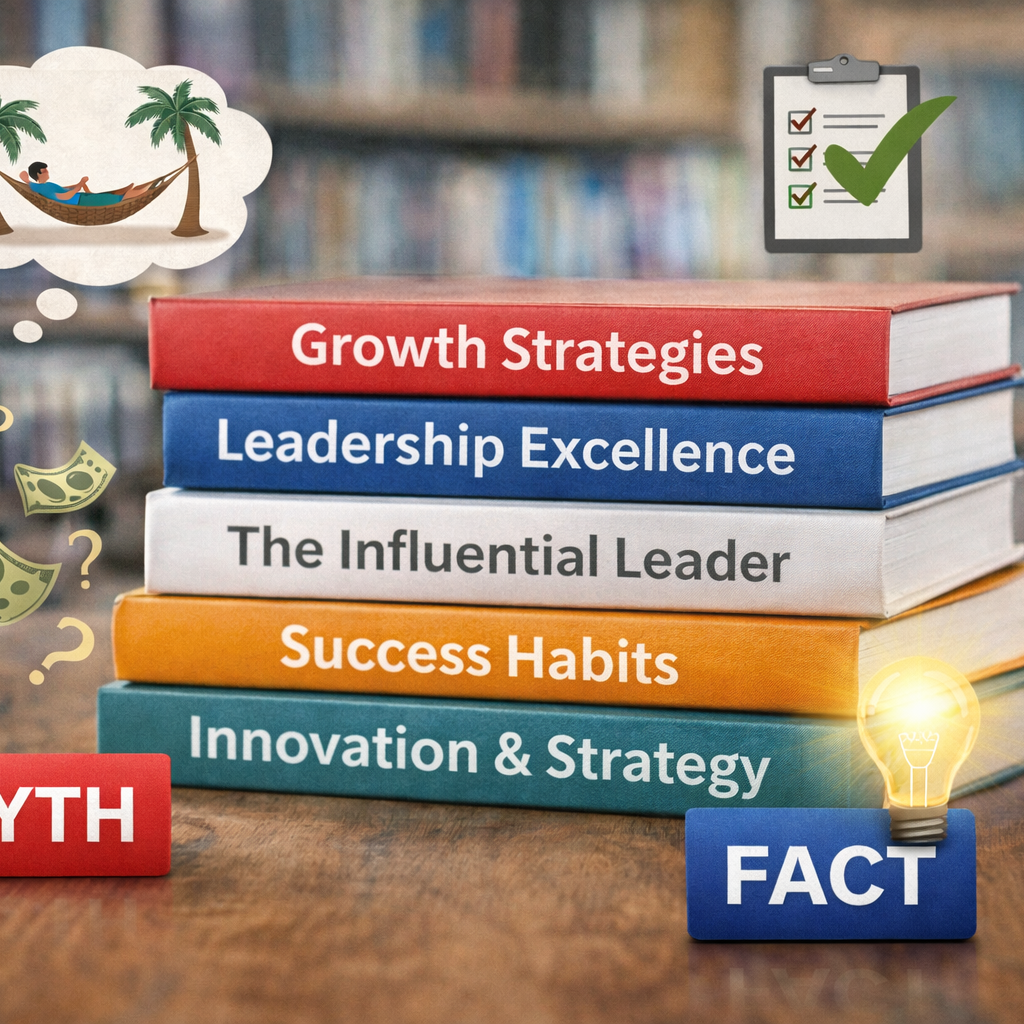
It’s easy to assume that growth always means adding more clients or services. But sometimes, streamlining and specializing lead to higher profit margins. Not all clients or offers will serve your long-term vision. Regularly review your client base and offerings to focus on quality over quantity.
Beware of taking on too much at once. Rapid, unsustainable growth can strain systems and burn out teams. Prioritize investments that align with your core vision and bring lasting value.
Staying adaptable in changing markets
Business landscapes change quickly. Success in 2026 means staying agile and open to learning.
Keep an ear to the ground—join industry groups, attend events, and encourage team feedback. Adjust your strategies and test new ideas with low risk. It’s important to set aside time for reflection and review, so you can respond swiftly to new opportunities or challenges.
Authority Building for Long-Term Advantage
Establishing expertise in your field
Establishing authority helps you earn trust and attract high-value clients. This involves consistently sharing your knowledge, publishing insights, and engaging in relevant conversations. Offer workshops, webinars, or educational resources to demonstrate your expertise. Over time, this builds a reputation that can open doors to partnerships, speaking opportunities, and wider brand recognition.
Leveraging partnerships and agreements
Strategic partnerships can accelerate your growth and extend your reach. Look for partners whose strengths complement your own, and engage in mutually beneficial projects. Clear agreements help set expectations, reduce misunderstandings, and ensure both parties gain value. Always base collaborations on transparency and aligned values to prevent conflicts down the line.
How to Start Implementing These Strategies
Setting goals aligned with best practices
Begin by setting clear, measurable goals that reflect your business vision and best practices. Break large objectives into smaller milestones. For example, if improved efficiency is a goal, define which processes to automate first, and set deadlines for completion. Celebrate small wins to maintain momentum.
Developing a personal leadership plan
Leadership grows with intention. Reflect on your strengths and areas where you’d like to improve. Build a development plan that includes mentorship, skill-building, and regular feedback. Engaging with other leaders—through masterminds or peer groups—can offer fresh perspectives and accountability. Make development an ongoing priority as you guide your team and business forward.