
Key Takeaways
- Building brand authority is essential for sustainable growth and digital trust in 2026’s dynamic ecommerce environment.
- A focus on credibility, authentic messaging, and scalable systems paves the way for long-term impact and freedom.
In 2026, staking your claim in the online business landscape requires more than just a sleek website and clever marketing copy. Real authority, trust, and operational excellence separate sustainable ventures from the crowd. Here’s what you need to know to launch with confidence—and position your store as the authority in your space.
What Does Launching an Online Store Involve?
Modern ecommerce landscape in 2026
The pace of digital commerce has never been faster. In 2026, the ecommerce world feels both crowded and full of opportunity. Competition is fierce, but new platforms and changing consumer habits have opened doors for niche stores and inventive business models.
AI-driven personalization, immersive virtual experiences, and seamless checkout processes are setting new expectations. Online shoppers judge stores not just on products, but on values, storytelling, and trust. Whether you’re running a service-based business, selling digital products, or curating expert-driven content, your approach must be both flexible and strategic.
Types of online stores entrepreneurs choose
Entrepreneurs in 2026 can pursue several main types of online stores:
- Traditional ecommerce: Physical products shipped to consumers.
- Service-based storefronts: Consultants, coaches, and agencies offering expertise or project deliverables.
- Digital goods and courses: Selling knowledge, frameworks, and resources directly.
- Memberships and communities: Curated access to expertise, resources, or like-minded peers.
Whichever path you choose, the best results come from aligning your store type with your core skills, audience needs, and the authority you want to establish.
Why Focus on Brand Authority?
Digital trust in today’s market
Your audience is savvy. With so many online options, digital trust is currency. People want more than flashy ads—they need reasons to truly believe in your business. Brand authority is the foundation that signals reliability, expertise, and intention. When your reputation precedes you, it’s easier to earn new customers, retain existing ones, and create opportunities for growth.
Brand authority versus simple visibility
Getting seen on social platforms or search engines is valuable, but standing out requires more. Visibility can drive traffic, but authority compels action. Authority is built through consistency, value delivery, and thought leadership. It transforms browsers into buyers and makes your store a go-to resource in its category. Being “visible” is fleeting; being “trusted” has lasting value.
How Can New Stores Build Credibility?
Creating authentic brand messaging
Credibility begins with clarity. Your messaging should express who you are, whom you serve, and what unique transformation you offer. Create a narrative that feels genuine—avoid overpromising and stay rooted in your authentic expertise. Share your story, your process, and your values openly. Customers respond to transparency and confidence, not hype.
Leveraging educational content and frameworks
Educate your audience as you sell. Authority grows when you share valuable insights, how-to guides, checklists, and case examples (framed for illustration, not promise). Demonstrate your systems and reasoning. When visitors find your content genuinely helpful, their trust increases. Educational content also acts as evergreen marketing, reinforcing your brand authority with each new visitor.
Best Practices for Launching in 2026
Refining your niche and audience
Focus is your friend. Define who you serve and why your approach matters to them—down to the language they use and the challenges they face. The narrower your audience and promise, the easier it becomes to develop solutions with authority.
Strategic content and authority signals
Strategically layer authority signals throughout your site: testimonials, transparent processes, and third-party features. Regularly publish original thought pieces and research. Host webinars or share behind-the-scenes analyses. These signals tell your audience that you’re not just participating—you’re leading the conversation in your field.
Systematizing operations for growth
Behind every credible brand is a set of reliable systems: for onboarding, delivery, communication, and quality control. Map out clear standard operating procedures for key business activities. Automate tasks where possible to save time, reduce errors, and provide a consistent customer experience. This foundation not only supports your growth but also communicates maturity and reliability to your market.
Ethical and compliant marketing approaches
Prioritize honest, educational messaging over hype. Disclose affiliations, respect privacy, and avoid unsubstantiated claims. In 2026, consumers reward brands that operate transparently and ethically. By staying compliant and honest, you’ll build a reputation that lasts—supporting long-term growth, not just quick wins.
What Mindset Shifts Are Needed?
Growth mindset for digital founders
Entrepreneurs who thrive adopt a growth mindset. They see feedback and setbacks as data—not failure. Every launch, product iteration, or marketing test is a path toward deeper authority. By focusing on learning and adaptability, you’ll stay ahead of changes and identify fresh opportunities.
Staying adaptable with industry changes
The only constant is change, especially online. Algorithms shift, consumer preferences evolve, and platforms rise or fall. By staying curious and maintaining flexible strategies, you’ll future-proof your online store. Join industry groups, attend digital events, and connect with mentors to keep your approach sharp and resilient.
Lessons Learned from Recent Store Launches
Common pitfalls and how to avoid them
Recent store founders often stumble by:
- Launching without a clear audience or unique value proposition.
- Relying on paid ads instead of building organic trust.
- Underinvesting in backend systems, leading to inconsistent delivery.
To avoid these, start lean but intentional. Prioritize clarity, operational consistency, and real engagement over shortcuts.
Examples of service-based store strategies
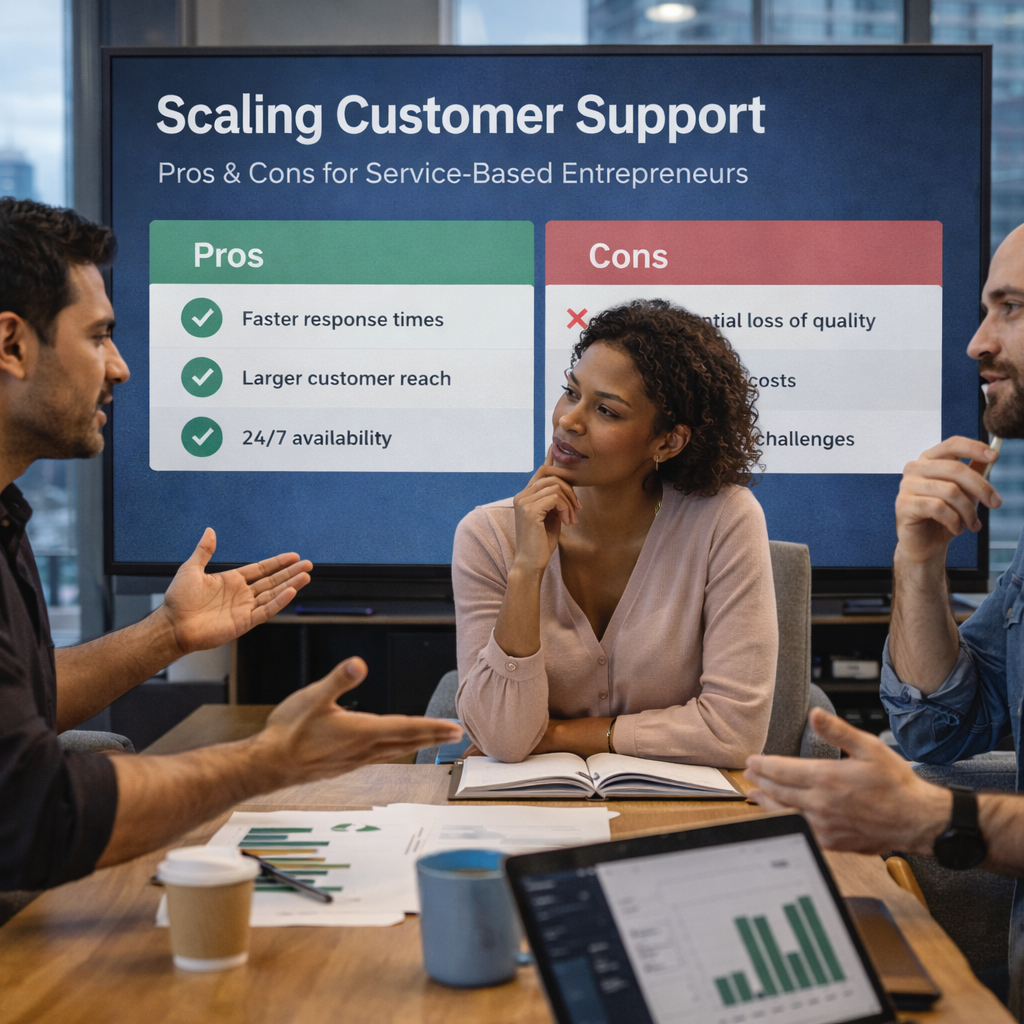
Consider a consultant launching a digital storefront—a practical example, not a promise. By offering educational content, a transparent onboarding flow, and clear packages, they show expertise and reliability. Layering in interactive workshops and client stories (with educational framing) brings further credibility. These strategies support authority without relying on hype or guarantees.
Does Authority Impact Time Freedom?
Balancing systems and credibility
When your brand is trusted and your systems are solid, you spend less time managing issues and more time creating impact. Authority and operational excellence free you from daily firefighting. However, remember that efficiency varies and is subject to industry change; time freedom is a byproduct of ongoing, intentional system-building—not an instant result.
Setting up your store for long-term impact
Sustainable impact comes from repeating proven frameworks, refining your messaging, and staying open to evolution. Building brand authority means showing up consistently and prioritizing service—putting genuine value ahead of short-term wins. Over time, this approach opens doors to partnerships, speaking opportunities, and scaled influence—all possible outcomes, not guaranteed milestones.