
Key Takeaways
- Modern leadership success requires adaptive habits, credibility mindsets, and emotional intelligence—not just innate talent.
- Strategic frameworks and daily systems can help you apply entrepreneurial lessons and build authority in a changing business world.
Entering 2026, the world of entrepreneurship continues to evolve at an astonishing pace. To lead and grow, you need more than motivation and vision—you need clarity on what truly drives long-term success. This article unpacks the real traits, habits, and leadership trends that set thriving entrepreneurs apart today.
What Defines a Successful Entrepreneur?
Common characteristics to look for
Successful entrepreneurs often share several defining traits. At their core, you’ll find resilience—the capacity to bounce back from failure and adapt rapidly. They are known for curiosity, always asking, “How can I improve this?” or “What could be possible next?” Strategic risk-taking is another hallmark, paired with the discipline to execute consistently. Importantly, they value learning and seek input from mentors or industry peers to keep growing. Most recognize that success isn’t a solo venture; relationship-building and collaboration matter as much as raw drive.
Misconceptions about entrepreneurial success
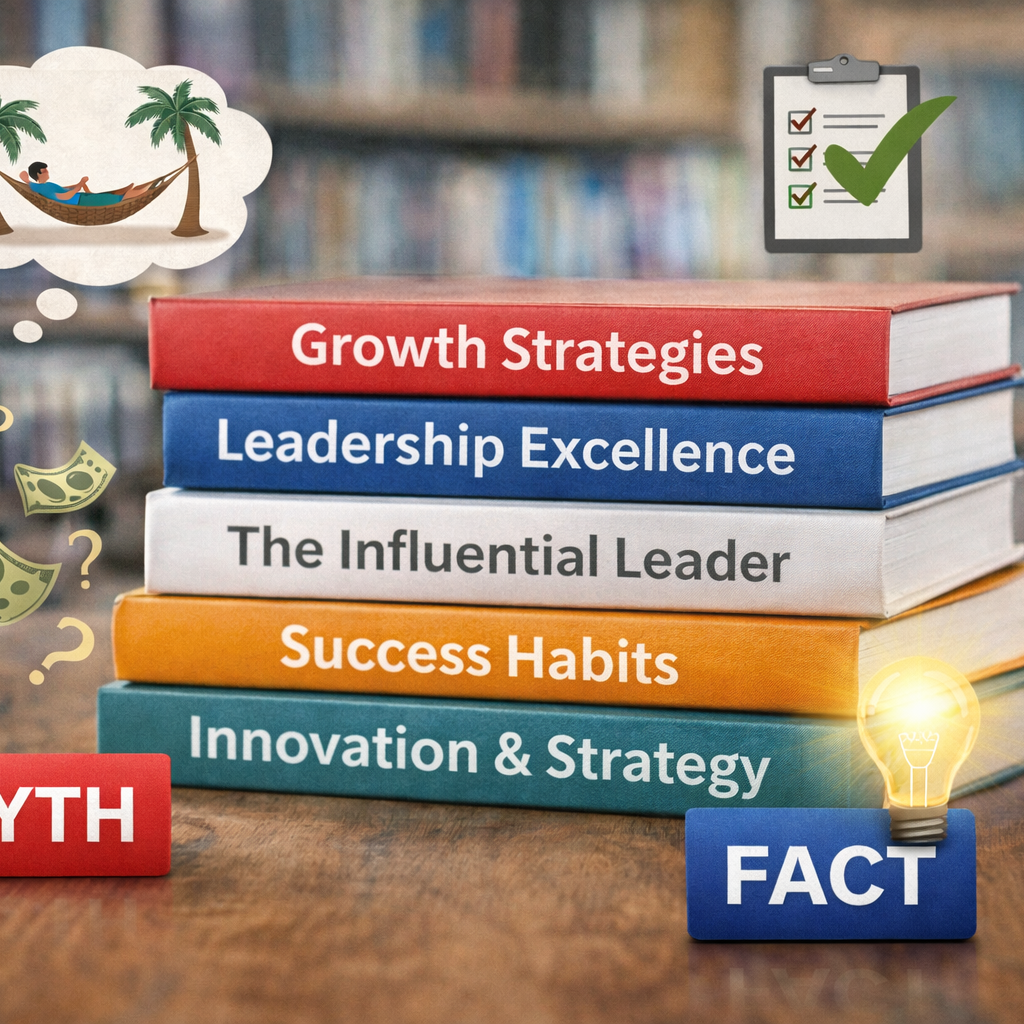
A persistent myth is that entrepreneurs are lone geniuses or relentless workaholics with overnight success stories. In reality, most achievements stem from persistent iteration, support systems, and foundational habits cultivated over years—not sudden brilliance or luck. Financial wins are often the byproduct of solving real problems and creating value, rather than chasing empty trends or shortcuts.
Which Leadership Trends Shape 2026?
Adaptive leadership in a changing market
In 2026, leadership is less about rigid hierarchies and more about adaptability. Markets change quickly, technology evolves, and leaders must respond in real time. Adaptive leaders gather feedback, loops, and adjust their approach based on what works. They foster cultures where experimentation is rewarded, not penalized. By embracing uncertainty and empowering teams, you can guide your business through shifting landscapes.
Rising importance of emotional intelligence
The art of entrepreneurship increasingly favors those who lead with empathy and self-awareness. Emotional intelligence (EQ) is now seen as a core driver of influence and stability. You benefit from understanding your emotions, regulating responses under stress, and tuning in to the needs and motivations of others. High-EQ leaders build trust, inspire action, and create loyalty—all crucial in today’s business climate.
Myth or Fact: Are Born Leaders More Successful?
Nature versus nurture in leadership
The age-old debate continues: Are top entrepreneurs born or made? Research and real-world stories suggest that while some natural tendencies help, leadership is mostly built. Yes, some may be more outgoing or decisive, but the essential skills—communication, decision-making, and vision—are refined through deliberate experiences, not a genetic lottery.
Growth through deliberate practice
Every founder can improve through purposeful practice. By identifying skill gaps and dedicating time to learning, you grow your influence and effectiveness. Successful entrepreneurs treat leadership like a muscle—they train, reflect, and adjust continuously. You do not need to be a “born leader”; you need to be a committed learner.
What Habits Drive Entrepreneurial Success?
Daily routines of top founders
Routines provide a foundation amidst constant change. Many top entrepreneurs start early, setting aside time for deep work before distractions arise. They often use planning tools or journals to set intentions for the day. Regular check-ins with mentors, team huddles, or quick reviews of metrics are common—keeping everyone focused and accountable. Wellness—through exercise, mindfulness, or rest—is also a shared priority for maintaining decision-making clarity.
Systems for maintaining time freedom
Success in 2026 is about more than hustle; it’s about designing systems that leverage your strengths and free up your time for high-impact work. Think delegation protocols, recurring processes, and automation where possible. Rather than doing everything, modern entrepreneurs focus on their “zone of genius” and support it with routines that build consistent results without constant burnout.
How Do Entrepreneurs Build Lasting Authority?
Key mindset shifts for credibility
Authority is built on trust, not self-promotion. The right mindset shift involves moving from “How do I look credible?” to “How can I serve and deliver results?” You gain authority by sharing insights, teaching what you know, and owning both successes and failures. Transparent communication, clear values, and a willingness to learn from feedback shape genuine credibility.
Strategic frameworks for authority growth
To expand your influence, you need a repeatable framework. Start by identifying what unique value you bring to your audience. Package your expertise—through educational content, workshops, or small group engagements. Continue building your personal brand with credible testimonials, consistent storytelling, and partnerships with respected others in your field. Strategic consistency is as important as one-time achievements.
Case Examples: Leadership Lessons in Action
Service-based business case study
Consider the journey of an executive coach who grew her practice over four years by focusing on relationship-building and results. She invested in local networking events, published valuable thought leadership content, and systematized referrals. Her authority and client list grew steadily through genuine connections and continuous learning, not grandiose claims or shortcuts. This example illustrates how a service-based business can thrive by prioritizing steady frameworks and values-driven leadership.
Frameworks used by reputable founders
Many reputable founders use the “Learn-Apply-Reflect-Share” method: remain curious, act on new insights, review outcomes, and give back to their communities. By documenting what works and sharing lessons, they create scalable influence—and position themselves as mentors others respect.
How Can You Apply These Lessons Today?
Step-by-step framework for implementation
Ready to put these lessons to work? Here’s a tactical path:
- Self-Assessment: Identify one skill you want to improve.
- Learning Block: Dedicate 20–30 minutes daily to focused learning.
- Daily Habit: Set a simple, recurring habit to support your growth (e.g., morning planning, nightly reflection).
- Feedback Loop: Connect with a peer or mentor weekly for accountability.
- Value Creation: Share insights through content or conversation—giving first builds trust.
Cultivating the right mindset for growth
Adopt a “progress over perfection” perspective. Each step, even setbacks, is part of the leadership journey. Treat every challenge as a chance to learn and recenter on service, not ego. When you cultivate curiosity, humility, and clarity of purpose, authority and business growth follow naturally.