
Key Takeaways:
- A modern business website is central to establishing authority, credibility, and long-term brand growth for entrepreneurs.
- Avoiding common myths and prioritizing compliance, user experience, and trustworthy content will position your business for sustainable success.
Building a Business Website: Myths vs Facts for Modern Entrepreneurs
What Is a Business Website Today?
Definition and evolution
A business website in 2026 is far more than a digital brochure. It’s a dynamic platform that showcases your services, establishes your credibility, and communicates your brand’s story to the world. Websites have evolved from static pages to interactive experiences, integrating multimedia, personalization, and direct customer engagement. For entrepreneurs today, a business website is a living extension of your brand—offering education, building trust, and serving as the backbone for lead generation and relationship building.
Why websites matter in 2026
With every business—from coaching to consulting to creative services—vying for attention, a professional website is the anchor of your digital presence. Social platforms change, trends come and go, but your website remains the only online real estate you fully control. In 2026, potential clients expect the ability to learn about you, vet your expertise, and reach out directly—all in one place.
Do All Entrepreneurs Need a Website?
Reasons to consider a website
If you’re building a service-based business, your website is a primary channel for elevating your authority and attracting ideal clients. It offers control over your messaging, collects leads around the clock, and demonstrates the legitimacy that many prospects require before they reach out. For entrepreneurs seeking to scale, a website enables streamlined onboarding, resource sharing, and opportunities for automation and passive education.
Alternatives and limitations
Some entrepreneurs may rely solely on social media profiles or third-party marketplaces, especially at the earliest stages. However, these platforms offer limited flexibility, less control over your brand, and fewer options to establish unique authority. Relying on channels you don’t own means you’re always subject to changing algorithms and policies. Without a professional website, you may struggle to build meaningful authority, credibility, and robust systems that grow with your business.
Common Myths About Website Building
It’s only for tech experts
One persistent myth is that building a business website requires advanced technical skills or a large budget. In reality, intuitive website builders and platforms now make it possible for anyone to launch a professional-looking site. Many entrepreneurs start with simple, well-designed templates and add features as their business grows.
Social media replaces websites
While social media is excellent for discovery and direct engagement, it’s not a substitute for a dedicated website. Platforms like Instagram or LinkedIn cannot provide the depth of information, level of control, or data privacy that your own site offers. Rather than replacing your website, social media should direct potential clients to it, where you can nurture relationships and showcase your expertise more comprehensively.
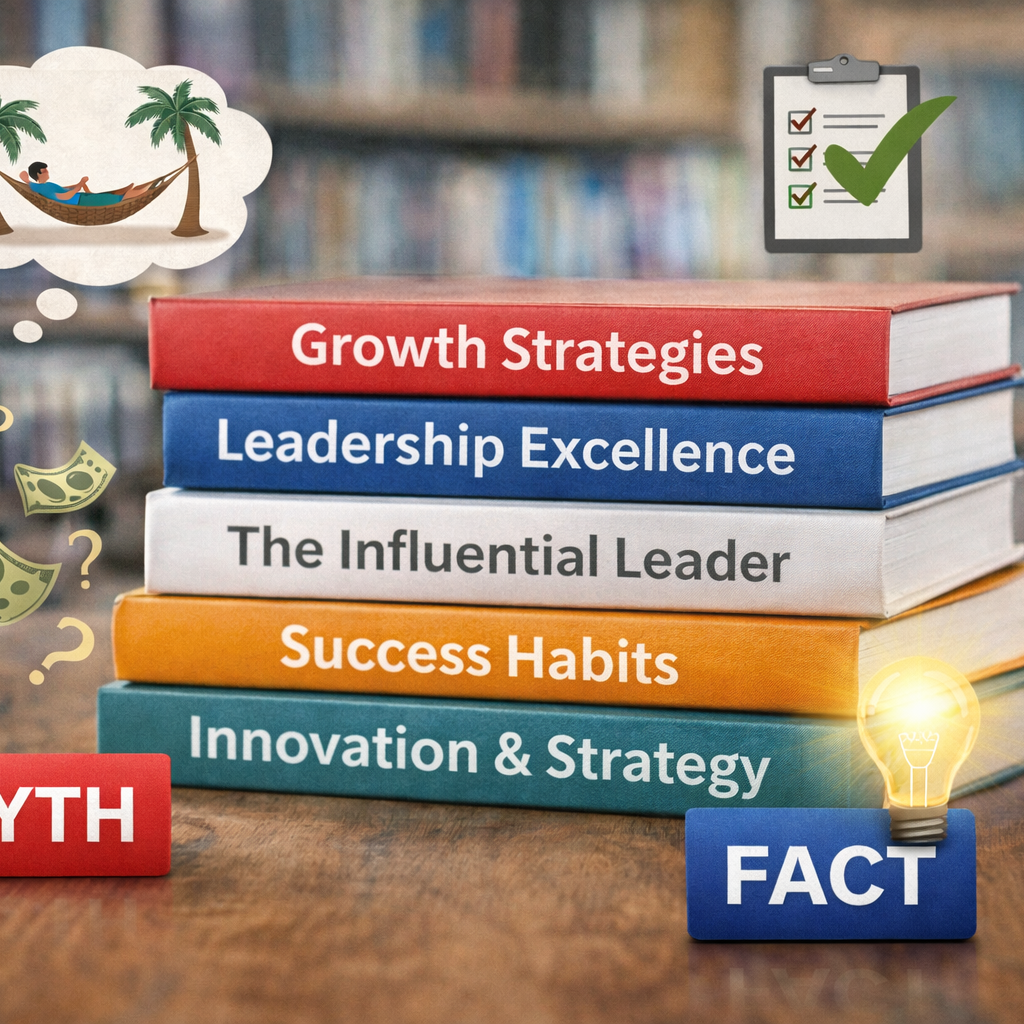
Websites guarantee overnight success
It’s easy to believe that launching a website leads to immediate business growth. However, sustainable authority and client attraction are built over time. Your website is the foundation, but results depend on consistent content, strategic promotion, and credibility. There are no guarantees of instant results; building momentum is a process rooted in education, trust, and value delivery.
What Are the Facts About Online Presence?
Online credibility and trust
In 2026, prospects expect to verify you and your services before investing their time or money. A professional website, with transparent contact information and examples of your expertise, is fundamental for building trust. Third-party profiles, no matter how polished, rarely carry the same weight as a site you control and curate intentionally.
Long-term brand positioning
Your website is an asset that grows in value over time. As your business evolves, your site can adapt and showcase new offerings, partnerships, or case studies. Consistently updated websites attract more organic visibility, provide educational value, and position you as a thought leader in your niche. Done well, your site is a magnet for long-term opportunities—not just short-term wins.
Which Features Matter Most in 2026?
Essential pages for authority
Modern business websites should clearly present:
- A compelling homepage that communicates your value proposition
- An about page sharing your background and credentials
- A services or work-with-me section outlining what you offer
- Contact information or inquiry forms for easy communication
- Social proof in the form of testimonials or media mentions (with appropriate permissions) These foundational pages help visitors quickly evaluate your credibility and fit.
User experience best practices
Websites in 2026 must be:
- Mobile-friendly and fast-loading
- Easy to navigate, with intuitive menus and logical structure
- Visually consistent and accessible to users of all abilities Providing a seamless user experience keeps visitors engaged and signals professionalism.
Accessibility and compliance considerations
Accessibility is no longer optional. Ensuring your site meets accepted standards—such as providing readable contrast, alt text for images, and keyboard navigation—opens your business to a wider audience. Compliance with privacy and data regulations (like GDPR or similar frameworks) is also essential for trust and legal peace of mind.
How Can Website Mistakes Hurt Authority?
Common pitfalls for solopreneurs
Overcrowded layouts, outdated content, broken links, or missing contact details undermine your credibility. Many solopreneurs try to do too much on their homepage, creating confusion instead of clarity. Relying on unsubstantiated claims or jargon further erodes trust with potential clients.
Maintaining trust and professionalism
Prioritize accuracy, clarity, and responsiveness. Update content regularly, ensure your information is verifiable, and respond promptly to inquiries. These habits position you as a responsible leader and build long-term confidence in your brand.
What Should You Include on Your Site?
Key content for service businesses
Showcase your expertise through case studies, articles, or guides—clearly labeled as educational content. Include genuine testimonials where allowed, and demonstrate how your process works without making promises of specific outcomes. State your qualifications and experience openly for transparency.
Showcasing expertise without unverified claims
Steer clear of language that guarantees revenue, time freedom, or business growth. Instead, highlight your frameworks, unique methods, and philosophies. When discussing strategies, add appropriate disclaimers to clarify that results may vary, reinforcing your commitment to transparency and compliance.
FAQs About Business Websites for Entrepreneurs
Timeline expectations for results
Building a professional website is an investment in your authority. While you can launch quickly, meaningful recognition and client inquiries often develop over time with consistent effort and outreach.
Cost considerations without guarantees
Website costs range from minimal (using DIY platforms) to more substantial investments for bespoke design and content. Treat these expenses as investments in your professional reputation—not guarantees of revenue.
How to adapt as your business grows
Update your site as your offerings, target audience, or credentials evolve. Regularly review your content, add new educational resources, and refine your messaging to reflect shifts in your business model or industry.