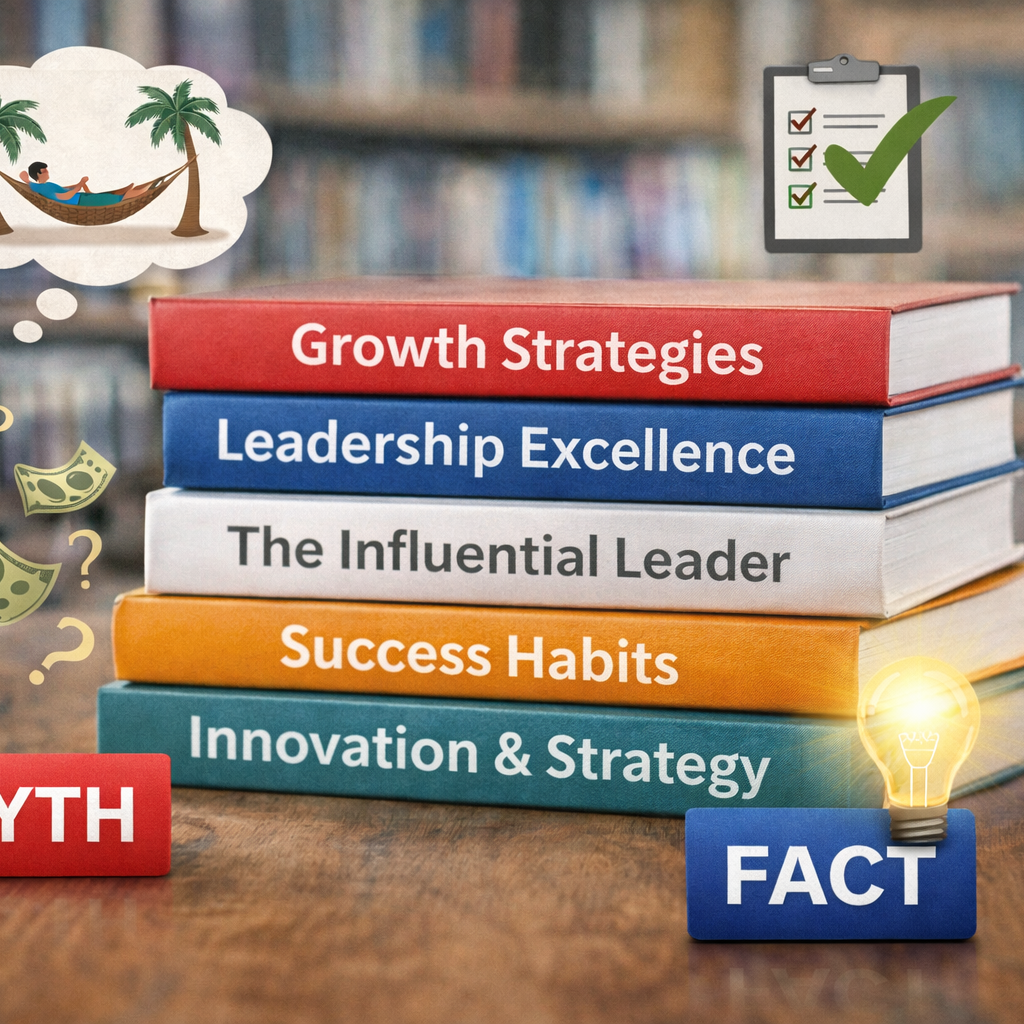

Key Takeaways
-
Sustainable entrepreneurial success comes from building systems, refining offers, and consistently delivering value over time—not from instant success or having a completely original idea.
-
Coaches and consultants achieve long-term growth by adopting a resilient mindset, validating ideas through real-world feedback, and focusing on steady improvement rather than chasing hype or shortcuts.
Entrepreneurship in 2026 offers more opportunities than ever for coaches, consultants, and professionals aiming to make an impact. It’s easy to get swept up by the buzz of entrepreneur success stories—those tales of overnight transformations or innovative ideas that “change everything.” But here’s the truth: real success in coaching and consulting follows a different path. Each business has its own twists, and outcomes will always vary.
If you want to build genuine authority, freedom, and lasting systems in your business, clarity matters. This guide walks you through the most common myths and evidence-backed facts shaping entrepreneurship ideas today. You’ll walk away able to separate hype from strategy and approach your next move with confidence, not just hope.
Myth 1: Instant Success Is the Norm
What Fuels This Belief?
Social media, glossy ads, and influencer interviews can make entrepreneur success stories seem like common occurrences. It’s tempting to believe that every thriving coach or consultant just “struck gold” overnight. The constant stream of wins overshadows the years of quiet progress that usually set the stage.
Real Entrepreneur Paths: What to Expect
The average path to a thriving coaching business is built in seasons, not sprints. You’ll iterate on your offer, test new markets, and reshape your approach with each lesson. Even top earners tell stories of pivots, plateaus, and setbacks—not just smooth climbs. Outcomes depend on dozens of factors including timing, audience fit, and focus.
Mindset for Sustainable Growth
Instead of chasing quick traction, anchor yourself in long-term thinking. Sustainable growth comes from learning, adjusting, and committing to continuous improvement—not measuring against the fastest-rising success stories. Celebrate your milestones, however small, as victories you’ve truly earned.
Myth 2: You Must Have a Unique Idea
Are Originals Always Winners?
A common myth is that the only viable path is to invent something brand new. But few of today’s leading coaching or consulting models were true “firsts.” Most are refinements—taking proven frameworks and adding unique perspectives, personality, or market fit.
Winning with Proven Models
Sustainable businesses often come from serving existing needs in a new or better way. Many coaches and consultants thrive by improving tried-and-tested models, not reinventing them. The ability to execute reliably and deliver consistent outcomes often outweighs simply being different.
Example: Adapting Success Strategies
Imagine a leadership coach who blends project management with mindset coaching—a mix that already exists in other spaces. By adapting successful frameworks to specific client profiles, you create a “new” offer with a far higher chance of traction than launching into unexplored territory.
Myth 3: Authority Equals Instant Clients
How Is Authority Actually Built?
Building authority goes deeper than polished content or a growing follower count. It’s about trust, results, and consistent value over time. Authority doesn’t guarantee an open pipeline; it signals that you can solve real problems for your ideal audience.
Relationship Building Beyond Visibility
Clients come from conversations, not just content. The most respected consultants invest in authentic, ongoing relationships—both online and offline. Meaningful outreach, personalized follow-ups, and showing up in your clients’ world matter as much as appearing credible on the surface.
Which Myths Hinder Business Most?
How To Spot Limiting Beliefs
Are you waiting for the “perfect” idea, chasing trends, or feeling pressured to be a standout original? Limiting beliefs can surface as comparison, analysis paralysis, or resistance to launching until every piece is in place. Recognize these patterns as myths, not rules.
Transforming Myths into Strengths
Change the script: use others’ success as inspiration, not a finish line you must match. Adopt a learning posture. Let each myth highlight a corresponding strength, such as resilience, adaptability, or persistence. Remember, your unique story is built on your unique journey.
Fact 1: Systems Outperform Hustle Long-Term
Why Systems Create Freedom
Random hustle leads to burnout. Systems—recurring ways you deliver, market, and improve your business—build the foundations for both growth and time freedom. Systems support you even when motivation dips or life gets unpredictable.
Small Wins that Scale
Start small: create standard templates for client onboarding, regular check-ins, or weekly content planning. These small, repeatable wins compound, freeing up mental energy for higher-impact work. Over time, your systems become assets that scale with your business.
Fact 2: Mindset Shapes Outcomes
Growth Mindset vs. Fixed Mindset
A growth mindset sees effort, feedback, and setbacks as part of mastery. A fixed mindset sees these as signs to stop. Coaches and consultants who embrace learning cycles, experimenting with offers, and reflecting on failures come back stronger—and stay relevant longer.
Daily Practices for Resilient Entrepreneurs
Commit to routines that nurture resilience: journaling lessons learned, regular reflection, and seeking out feedback. Surround yourself with peers who challenge and support your evolution. Progress is built on persistent, small improvements.
What Can Coaches Learn From Success Stories?
Patterns Without Guarantees
Success stories can teach you about strategic choices, habits, and tested frameworks—but they are not promises. Patterns emerge: consistency in marketing, focusing on a core audience, or developing a signature process. Yet every story plays out with different timing and results.
Applying Insights, Not Imitating
Use success stories as case studies: analyze what steps align with your values, what challenges were overcome, and how results were measured. Avoid direct imitation. Instead, adapt insights to fit your unique voice, strengths, and chosen market.
How To Start: Align Ideas With Your Strengths
Assessment of Skills and Passions
Pause before planning your next business move. What skills do you love to use? What topics keep you curious? Create a simple assessment—a list of skills, credentials, and passions. Look for themes that energize you, not just areas that seem profitable.
Testing and Validating Your Concept
Before launching full-scale, test your idea with a small group. Offer free or discounted sessions, collect feedback, and iterate. Validation is about real conversations and honest results, not just theoretical interest.
Building Your Minimum Viable Offer
Package your concept into a focused, clear offer—the simplest version that delivers real value. This could be a coaching session, a beta program, or a consulting audit. Deliver, learn, and refine.
What Questions Should You Ask Yourself?
Vision Clarity and Core Values
Where do you want your business to be in one, three, or five years? What core values will guide each decision? Write these down. Use them as a compass every time you evaluate new opportunities or pivot your strategy.
Defining Success on Your Terms
Success isn’t a universal finish line. Define your own: is it impact, flexibility, financial security, or community? When you know what matters most, you avoid the comparison trap and make aligned, motivated decisions.
Conclusion
Recognizing the myths and understanding the facts of coaching and consulting entrepreneurship is the first step toward building a business that lasts. Reflect on your strengths, adopt systems thinking, and approach entrepreneur success stories with healthy skepticism. Use these frameworks as a foundation—not a shortcut—so your growth is sustainable, strategic, and tailored to you.
FAQ: Entrepreneurship Myths and Facts
Are there any shortcuts in entrepreneurship? Most quick fixes are illusions. Genuine progress is built on consistent action, learning, and systematizing your work.
Can anyone become a successful coach or consultant? Anyone can improve their chances through learning, resilience, and adapting proven frameworks—but unique strengths and market fit matter.
What’s the most common myth among new entrepreneurs? The idea that success should be fast and effortless—real progress takes time, iteration, and persistence.
How do I avoid comparison traps with others’ success stories? Focus on your growth metrics, celebrate your milestones, and use others’ stories for learning rather than self-judgment.
What if my idea isn’t unique? Don’t be discouraged. Winning businesses often refine existing ideas, focusing on better delivery and fit for their audience.