
Key Takeaways
- Effective leadership comes from adaptability, empathy, and a growth-oriented mindset, not strict control or knowing everything.
- Building resilience, daily habits, and leveraging peer networks are crucial for a successful first year in business.
Your first year as an entrepreneur is filled with both challenges and learning opportunities. Many common ideas about leadership and mindset are more guesswork than truth. By busting these myths and focusing on what really matters, you lay the groundwork for long-term, sustainable growth.
What Are Common Leadership Myths?
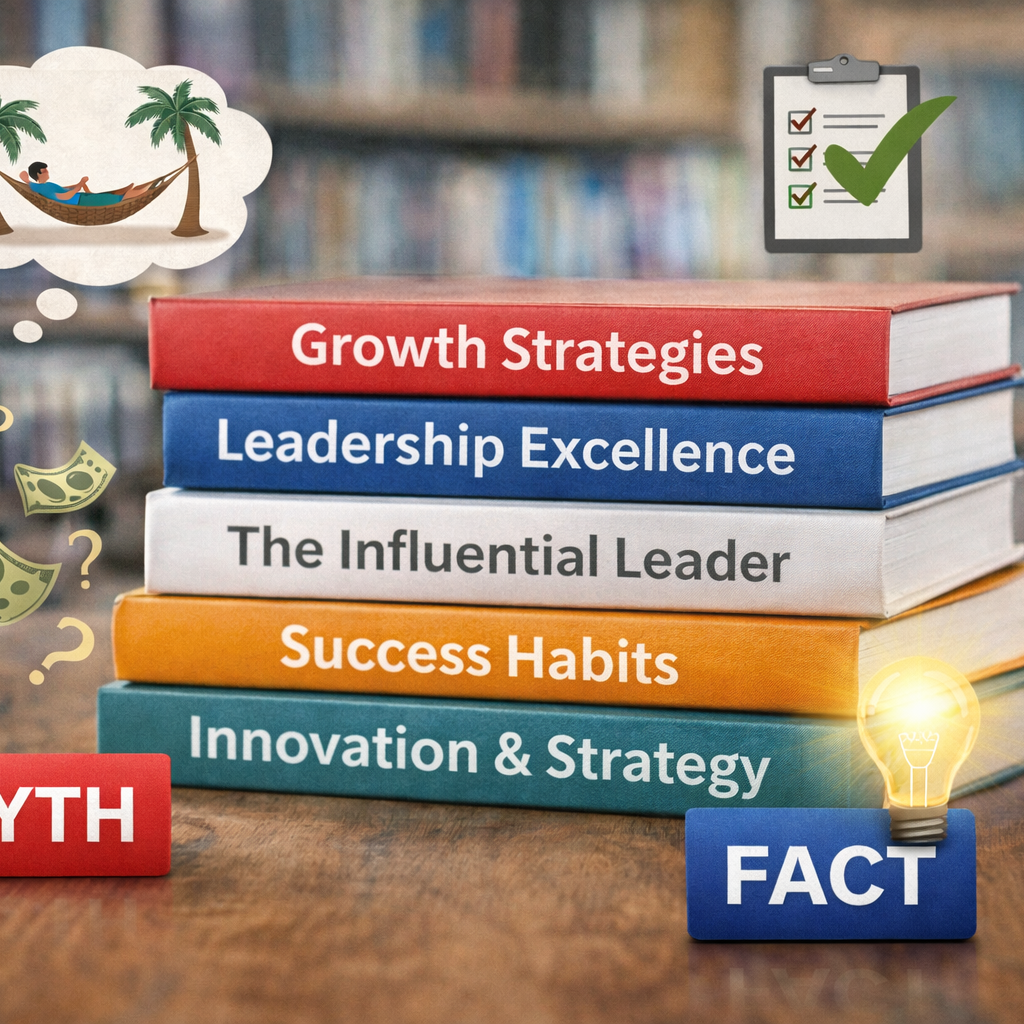
Starting out, you might picture leaders as always confident, controlling, and extroverted. In reality, true leadership looks very different. Here are three myths new founders often encounter:
Myth: Leaders Must Know Everything
You may feel pressure to have all the answers right away. In fact, leadership is about curiosity and being willing to admit what you don’t know. The most respected leaders ask questions, seek insight from others, and are open about learning as they go. You’ll earn credibility by being transparent—pretending to have every solution only leads to more stress and potential mistakes.
Myth: Only Extroverts Succeed
The idea that great leaders must be charismatic and outgoing is outdated. Many impactful entrepreneurs are actually introverts. What matters is self-awareness and how you connect with your clients and team—introverts often excel at deep listening, thoughtful decisions, and building authentic relationships. Leadership is less about personality type and more about the impact of your actions.
Myth: Leadership Means Direct Control
You might believe your main job is making all the decisions and keeping everyone on track. Effective leadership is actually about empowering others with trust and clear direction. Micro-managing slows growth and stifles innovation. When you step back and focus on vision, communication, and alignment, you create space for fresh ideas and shared accountability.
Key Mindset Shifts for First-Year Founders
Your mindset will either keep you stuck or propel you forward during your crucial first year. These two shifts can make a real difference:
Reframing Failure During Year One
It’s easy to see a setback as a sign you’re on the wrong path. The truth is, failure is essential data. Reframing mistakes as experiments allows you to adjust quickly and keep moving. Instead of asking, “How did I mess up?” focus on “What did I learn?” and “What can I change?” This approach builds long-term resilience and adaptability.
Embracing Uncertainty as Opportunity
The early days of building a business are filled with unknowns. Instead of seeking total certainty before you act, try viewing ambiguity as a sign of growth. Uncertainty means you’re testing boundaries and innovating. Lean into it with curiosity, and remember that progress always involves some risk and discomfort.
What Leadership Traits Matter Most?
Not every leadership trait is equally important—especially in the early stages. Here are two that have an outsize impact in a service-based business:
Adaptability and Learning
Your business environment changes quickly. The founders who thrive are the ones who adapt, learn new skills, and regularly update their strategy. Prioritize experimentation, feedback, and ongoing education. This mindset keeps you agile and better prepared for market shifts.
Empathy With Clients and Partners
Trust is built on understanding. When you show genuine empathy—listening to your clients’ needs, respecting partner perspectives, and valuing feedback—you build lasting relationships. Empathy also keeps your messaging relevant and your services aligned with what the market actually wants.
How Does Mindset Impact Business Growth?
Growth is closely tied to how you think and the habits you build. Here are two key areas to focus on in your first year:
Resilience in Daily Operations
Business ownership often brings daily setbacks: a lost client, technical glitches, or shifting goals. Your ability to respond calmly and get back on track is what sets you apart. Resilience is less about being tough and more about recovering quickly, learning from each hiccup, and not letting setbacks define your identity as an entrepreneur.
Habit Building Versus Quick Wins
Chasing fast, flashy results can be tempting. But what creates stability is the daily, repeatable habits that stack up over time—regular outreach, content creation, and client follow-up. These habits fuel steady growth and reduce reliance on luck or spikes in demand.
Current Trends: Solo Founder Mindset in 2026
The landscape for solo founders keeps evolving. Here’s what defines a forward-thinking mindset today—and where to focus your energy:
Time Freedom and Modern Systems
More founders are building businesses that maximize time freedom through smart systems. Outsourcing repetitive tasks, automating scheduling, and using cloud-based tools help you stay nimble. But time freedom is earned: focus first on building solid delivery processes and reliable service before chasing passive income or a four-hour workweek. Always use qualifiers when projecting time or financial benefits—results vary widely, and systems only work if maintained consistently.
Building Authority and Credibility Today
In 2026, your brand authority is built by sharing useful insights, contributing to online discussions, and demonstrating your expertise consistently. Thoughtful, educational content and positive peer recommendations help grow your influence faster than aggressive advertising ever could. Think of each client project and online interaction as a stepping stone toward greater trust—and measure credibility by your impact and testimonials, not just by follower counts.
Which Myths Hold Back Service Businesses?
Some ideas are particularly limiting for founders in coaching, consulting, and similar fields. Let’s dispel two you’ll want to watch for:
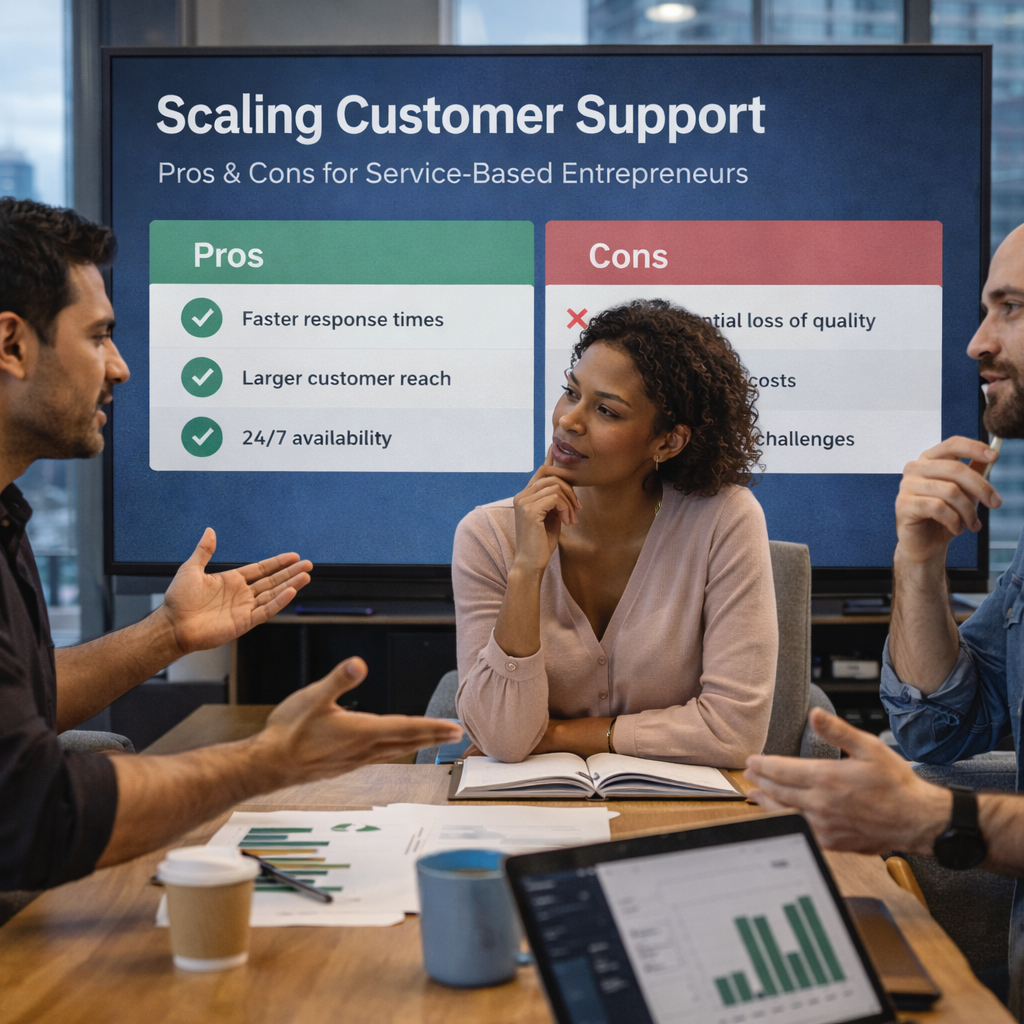
The Scaling Alone Fallacy
Trying to scale without support often leads to burnout. Collaboration—with partners, subcontractors, or even virtual assistants—lets you grow sustainably. Don’t be afraid to delegate non-core tasks; it frees you up for high-value work and enriches your network. Remember: scaling is rarely a solo sport.
‘Always Busy’ Equals Success Belief
Being overwhelmed isn’t a badge of honor. In fact, chronic busyness may signal poor systems or unclear priorities. True leaders measure success by progress toward goals and quality of service, not hours clocked each week. Focus on working smart, not just working hard.
Real-World Frameworks for Mindset Growth
Integrating new mindsets takes practical action—not just theory. These frameworks can guide you:
Daily Reflection Practices
Carve out just five minutes at the end of each day to review what worked, where challenges arose, and what you learned. Reflection helps you course-correct quickly and spot small wins that fuel your motivation.
Learning From Peer Networks
Join entrepreneur groups or mastermind circles where you can share experiences, ask questions, and offer support. Peers provide new perspectives, honest feedback, and occasional reality checks—ensuring you don’t feel isolated during tough times.