
Pros & Cons of Customer Acquisition Strategies for Entrepreneurs in 2026
Key Takeaways
- Customer acquisition strategies in 2026 require balancing modern tactics with clear, sustainable goals.
- Selecting the right strategy means aligning your approach with your unique business model and ideal client.
If you’re an entrepreneur, you already know that winning new customers is your business’s heartbeat. But the methods—and their impact—are changing fast. Let’s break down what you need to know about customer acquisition strategies in 2026 so you can make informed, confident decisions in your growth journey.
What Are Customer Acquisition Strategies?
Definition and core concepts
Customer acquisition strategies are the step-by-step methods you use to attract, engage, and ultimately win new customers for your business. Think of them as a structured combination of marketing, outreach, sales tactics, and relationship-building designed to take someone from discovering your company to becoming a paying client. At the core is the idea of intentionality—choosing where and how you show up, and using consistent frameworks to turn awareness into trust and, finally, to sales.
Types used by modern entrepreneurs
Today’s entrepreneurs deploy a range of acquisition tactics, often blending old-school and cutting-edge ideas. You might use content marketing—like blog posts, social media, and podcasts—to build authority. Or you could lean into community-building, virtual events, referral programs, and data-driven advertising. Many founders also experiment with partnerships, email automation systems, and influencer relationships to extend reach. The common thread: clear strategies tailored to serve real people, not just digital metrics.
Why Do Customer Acquisition Strategies Matter?
Impact on early-stage business growth
How you bring in customers sets the stage for your entire business journey. A smart acquisition strategy helps you build momentum, secure those crucial first clients, and gather the feedback needed to improve your offer. In the early stages, it often means the difference between consistent progress and spinning your wheels.
Influence on authority and credibility
The strategies you choose can shape how others see your business. By sharing valuable insights, stories, and educational content, you establish yourself as a trusted leader—someone worth hiring or referring. This not only accelerates growth but also shortens sales cycles, since credibility opens doors and lowers resistance among potential buyers.
What Are the Main Approaches in 2026?
Content marketing and thought leadership
Content marketing remains a cornerstone, but in 2026, it’s more about specialization and substance. Entrepreneurs share deep, actionable content: in-depth articles, live video sessions, industry reports, and interactive workshops. By giving away real value upfront, you nurture trust and position your brand as indispensable. Thought leadership—offering unique perspectives and solutions—helps cut through the digital noise, turning casual visitors into eager prospects.
Paid advertising trends
Paid ads are evolving rapidly. Smart entrepreneurs in 2026 use advanced targeting across platforms like LinkedIn, niche podcasts, and even immersive AR/VR events. Machine learning optimizes spend, delivering tailored messages to high-probability clients. But the real shift is toward transparency and meaningful storytelling in advertisements—people want to feel connected, not just sold to.
Community-building strategies
Building authentic communities gives founders a resilient edge. This means hosting online forums, exclusive mastermind groups, or live digital events where your audience can interact, ask questions, and support each other. Community-building fosters customer loyalty and turns your audience into brand ambassadors, multiplying word-of-mouth growth and surfacing valuable feedback straight from your core market.
What Are the Benefits for Founders?
Increased brand visibility
Consistent acquisition initiatives grow your brand’s footprint. By showing up across the right channels, you’re more likely to be discovered by your target clients—people searching for solutions you offer. This amplified visibility lays the groundwork for inbound leads instead of always chasing prospects outbound.
Accelerated market feedback
Effective strategies bring in customers systematically, giving you real-time insights about their needs, objections, and behaviors. Fast feedback means you can quickly refine offers, improve messaging, and outpace less agile competitors. Immediate data from your acquisition funnel doubles as both a growth and improvement engine.
Enhanced trust and authority
When your outreach is strategic and educational, you’re not just selling—you’re building a reputation. Every blog, webinar, or event becomes proof of expertise. Over time, this foundation of goodwill and authority makes it easier for clients to say “yes,” refer others, and stay loyal if competitors come calling.
What Are the Drawbacks in 2026?
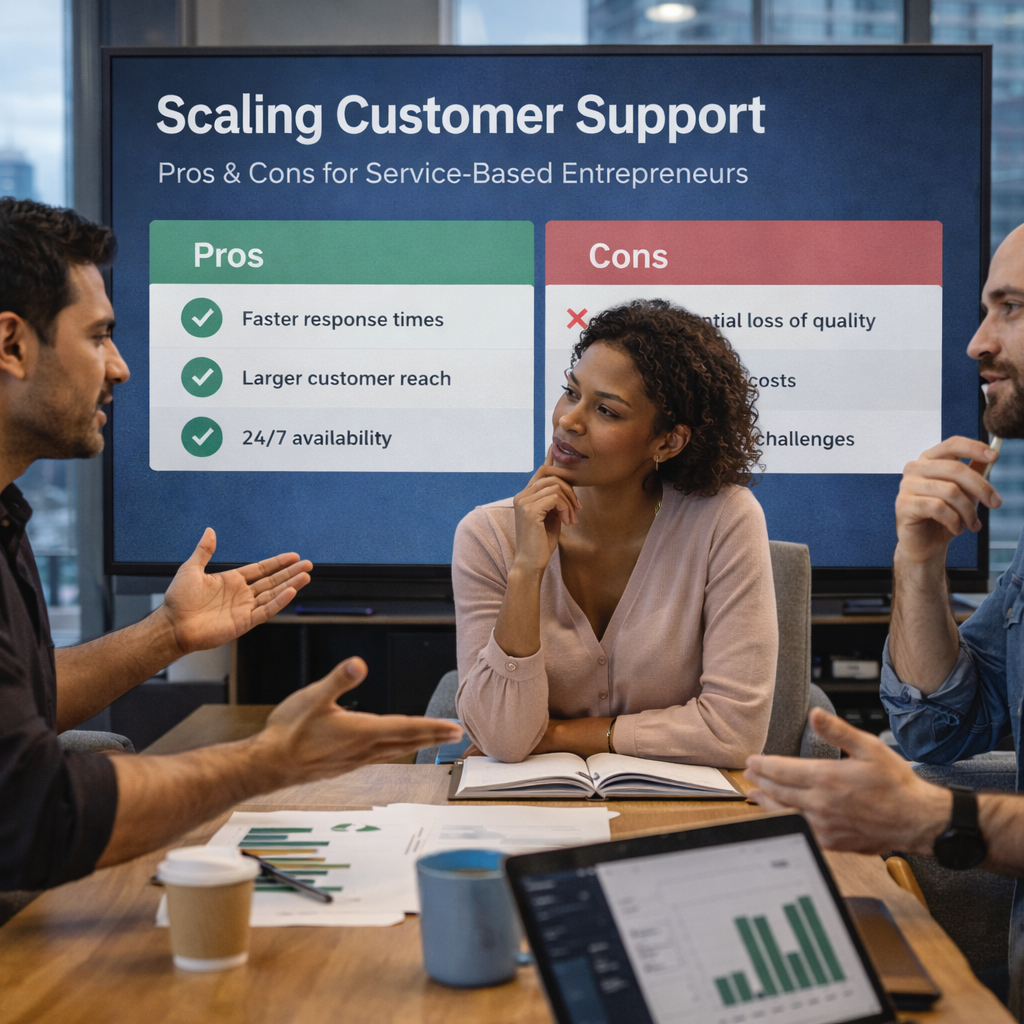
Budget constraints for solopreneurs
Many entrepreneurs, especially those running lean, find that some acquisition channels require significant investment—in paid ads, hiring help, or teaching themselves new tech. In 2026, costs for quality content production and precise advertising have increased, putting pressure on solo founders to do more with less.
Learning curve for new channels
Each new strategy comes with a learning curve. Adapting to evolving platforms, staying updated on audience habits, and mastering analytics can feel overwhelming. Entrepreneurs need to invest not just money but also time and focus, which can temporarily slow other business areas.
Potential overwhelm and burnout
The pressure to constantly “be everywhere” or test every new method can lead to mental exhaustion. Without boundaries and clear priorities, it’s easy to confuse activity with progress. Founders must balance ambition with sustainability to avoid burning out before results have time to compound.
How Do You Choose the Right Strategy?
Assessing your business model
Start by mapping out your business model: Who are you serving? How do you deliver value? For example, if you are a boutique consultant, trust and personalization matter more than mass-market awareness. Your model will dictate which acquisition tactics make sense and which aren’t worth the investment.
Aligning with your ideal client
Tailor your approach to your ideal client’s habits and pain points. If your target audience spends time on LinkedIn and values thought leadership, prioritize original content there. If they trust peer recommendations, invest in referral programs and testimonials. Listen to your core market and meet them on their terms.
Testing and iterating for best fit
No strategy is perfect out of the gate. Commit to regular testing—try different channels, messages, and offers in measured ways. Use clear metrics to gauge what’s working (leads, conversions, engagement), and double down on what delivers. The most resilient founders iterate quickly, learning from what the data and direct conversations reveal.
Which Strategies Suit Service-Based Businesses?
Authority-building for coaches and consultants
If you offer professional services, your authority is your calling card. Invest in webinars, whitepapers, and guest appearances on industry podcasts. Becoming a recognized expert earns trust—and trust shortens the sales process. Case studies and testimonials serve as social proof, demonstrating results without overpromising.
Leveraging educational content and case studies
Educational content is especially powerful for coaches, consultants, and service-driven entrepreneurs. Share actionable insights, behind-the-scenes looks, and practical frameworks your clients can use right away. Highlight relevant case studies as examples of client journeys (being careful to frame them as educational, not guaranteed outcomes). This approach delivers immediate value and keeps prospects engaged with your expertise.