
Pros & Cons of Managing Business Growth: Leadership Strategies for Entrepreneurs
Key Takeaways
- Effective growth management demands intentional leadership and strategic delegation.
- Balance opportunities and risks by aligning your leadership style and business values with each stage of scaling.
Navigating business growth is one of the most significant tests you’ll face as a founder. Whether you’re leading a service business, consultancy, or coaching practice, scaling requires more than ambition—it calls for clarity, discipline, and a mindset resilient to change. Here’s what you need to know to grow wisely in 2026.
What Does Managing Growth Involve?
Key business growth responsibilities
When your business starts to scale, your role evolves from being a doer to becoming a true leader. Managing growth means setting a clear vision, building out your systems, and ensuring the right people are in the right roles. You’ll oversee budgeting, capacity planning, talent acquisition, and client relationship management—not just for today, but for the demands of tomorrow. Keeping workflows efficient and communication transparent helps your team stay aligned as you expand.
Challenges unique to service businesses
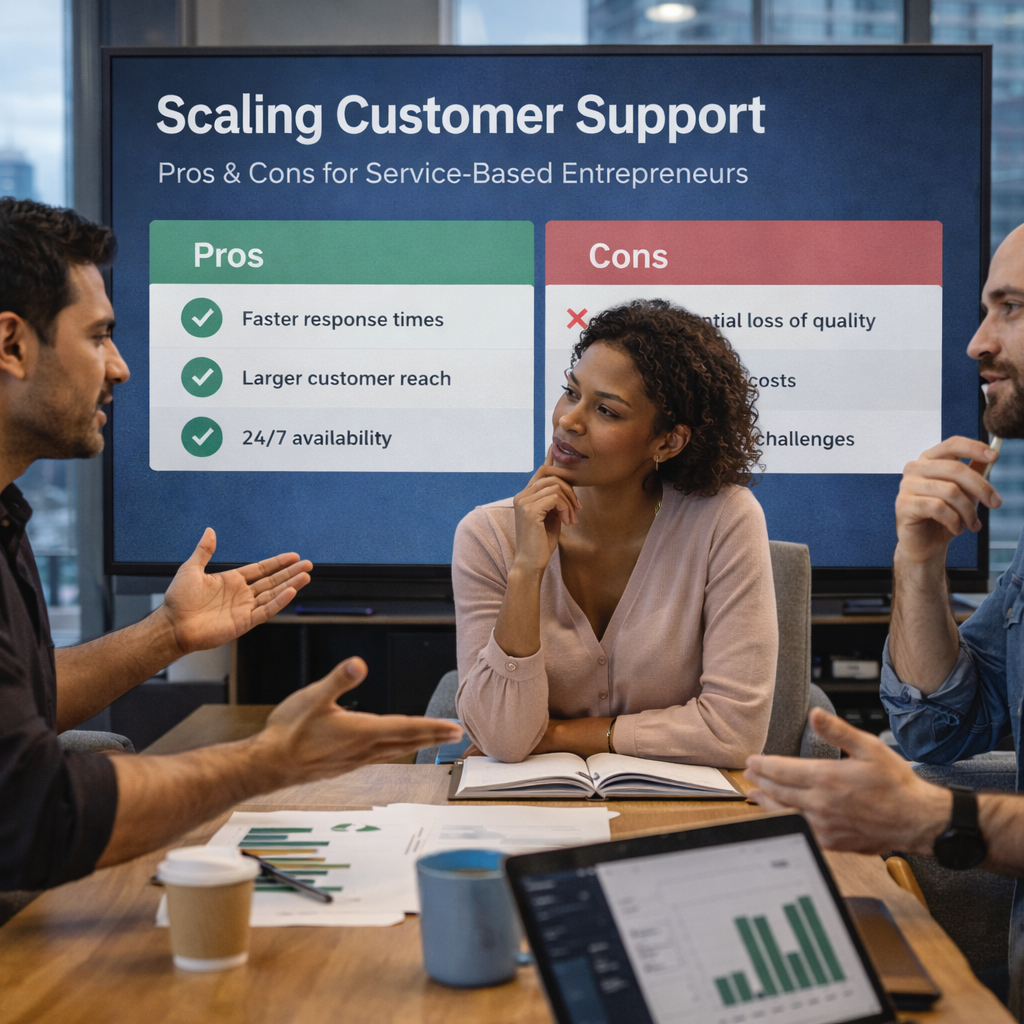
Service-based businesses face distinct hurdles during growth. Unlike product companies, you can’t always ‘manufacture’ more hours or automate expertise. Scaling often means hiring or partnering, but onboarding new talent without sacrificing service quality takes skill. Client expectations remain high, so delivering consistency while juggling more projects can test even seasoned founders. The risk of burnout—for you and your team—is real, and growth can magnify gaps in your business model if not managed closely.
Why Is Leadership Crucial for Scaling?
Influence on company culture
Your leadership style sets the tone for your company culture, especially during rapid growth phases. As your team grows, culture can shift if not protected. Communicate openly, reinforce core values, and recognize achievements. Empowering your team fosters ownership and resilience, helping everyone adapt to change while keeping morale high.
Decision-making during rapid change
Scaling means decisions come at you faster—with higher stakes. You’ll be asked to make calls on hiring, investments, client selection, and service offerings. Strong leaders rely on principles, data, and input from trusted advisors rather than gut feelings alone. Quick pivots may be necessary, but clear reasoning and transparency build trust among your team as you navigate uncertainty.
What Are the Benefits of Business Growth?
Expanded market opportunities
Growth unlocks new revenue streams and markets. You might launch fresh offerings or reach audiences not previously accessible. An expanded presence increases your brand’s reach and lets you serve a broader mix of clients, opening doors for cross-selling and up-selling opportunities as your authority grows.
Enhanced brand credibility
Being seen as a growing, thriving business builds trust with both clients and partners. As your business scales, signals of stability—like hiring, media mentions, expanded services, or new office locations—boost your credibility. This helps attract higher-profile clients and more experienced team members.
What Are the Downsides of Scaling Up?
Operational complexity
Growth brings more moving parts. Systems that worked for a smaller team can break down under new demands, leading to frustrations or delays. Managing cash flow, logistics, payroll, and client communication requires robust processes. Failure to upgrade your systems can result in costly mistakes or missed opportunities.
Risk of overextension
It’s tempting to chase every opportunity, but spreading yourself or your team too thin can dilute your core strengths. Overextending may lead to subpar client service, exhausted employees, or cash shortfalls. Sustainable growth means saying ‘no’ to opportunities that don’t serve your business model or values.
How Can Entrepreneurs Lead Growth Effectively?
Frameworks for strategic delegation
Delegation is essential as you scale. Start by mapping out your highest-value activities—what only you can do—and delegate or outsource tasks that don’t require your expertise. Use frameworks like Eisenhower’s Matrix or RACI charts to assign roles and clarify accountability. Encourage employee development so your team can take on more responsibility, freeing up your time for strategy and innovation.
Developing resilient founder mindset
Successful leaders adopt a growth mindset and accept that setbacks are part of the journey. Regular reflection, seeking mentorship, and setting clear personal boundaries help you stay grounded. Instead of reacting to challenges, anticipate them and develop plans for different scenarios.
What Leadership Styles Work Best?
Collaborative vs. directive leadership
Collaborative leaders tap into their team’s diverse skills, seeking input for decisions and empowering others to act. This fosters innovation and ownership. Directive leadership is sometimes necessary, especially during moments of crisis or when launching new initiatives. The best leaders blend both, knowing when to set clear directives and when to give room for collaboration.
Aligning style with growth stage
In early growth, hands-on leadership provides stability and clarity. As your business matures, shifting to a more collaborative style supports continued innovation and team buy-in. Adjust your approach as your team and market evolve, matching your style to what the business needs at each stage.
How Does Growth Impact Team Culture?
Maintaining values as you scale
Growth can test your company’s core values. Define what matters most—whether it’s client care, creativity, or integrity—and reinforce these at every level. Include values in your hiring process and client selection, and celebrate examples of values in action.
Preventing burnout and turnover
As demands increase, so does the risk of burnout. Encourage regular feedback, celebrate wins, and promote a healthy work-life balance. Offer flexibility where possible. Creating an open environment where team members feel valued helps prevent turnover and maintains a strong team spirit.
What Are Common Growth Mistakes?
Ignoring capacity constraints
It’s easy to accept every new client in the excitement of growth, but not all business is good business if you lack the capacity. Overcommitting stretches your resources and impacts service quality. Regularly reassess your systems and bandwidth before taking on more work.
Neglecting client experience
Rapid expansion can create blind spots. Don’t let process improvements or new hires disrupt the personal attention that earned your clients’ trust. Gather client feedback, monitor retention, and invest in training so your service standards rise—rather than fall—as you grow.
Should You Pursue Growth in 2026?
Market trends for service businesses
As of 2026, service businesses benefit from increased demand for personalized solutions and remote expertise. Markets continue to value brands that demonstrate credibility and adaptability. However, competition remains high, so a clear niche and strategic positioning are more important than ever.
Questions to ask before scaling
Before pursuing growth, ask: Do you have the systems to support more clients? Is your team ready for new responsibilities? Does this growth align with your values and long-term vision? Consider your unique market, capacity, and personal goals before making your next move.