
Key Takeaways
- A structured SEO approach builds trust, visibility, and long-term growth for service-based entrepreneurs.
- Ongoing learning and adaptation are key to remaining competitive in the evolving search landscape.
If you’re building or growing a service-based business in 2026, mastering SEO isn’t just helpful—it’s essential. A strategic approach can elevate your credibility, drive organic inquiries, and set you apart in a crowded digital marketplace. This guide provides actionable tips for consultants, coaches, and entrepreneurs ready to accelerate their online brand.
What Is SEO for Service Businesses?
Defining SEO in the Service Context
SEO—Search Engine Optimization—refers to techniques that help your website appear in search results when clients look for services like yours. For service-based entrepreneurs, this means increasing online visibility, connecting with prospects at the right moment, and establishing authority in your niche.
Why SEO Differs for Services
SEO for service businesses focuses less on product listings and more on building trust and expertise. When someone looks for a coach, consultant, or agency, they’re investing in expertise and results. Your website needs to educate, inspire, and position you as the solution—not just showcase an offering.
Why Should New Entrepreneurs Prioritize SEO?
Building Online Credibility
Credibility is everything in service-based industries. Solid SEO helps search engines, and thus potential clients, view your brand as reliable and reputable. Appearing in organic search results signals that you’re a legitimate player in your field.
Foundational SEO Principles for Coaches
Start with clear messaging, optimized service pages, and a content strategy that addresses your ideal client’s questions. Focus on clarity, user experience, and demonstrating your unique strengths. Even a basic SEO setup can give you an edge in reaching motivated prospects.
How Do You Find the Right Keywords?
Keyword Research Basics for Startups
Keyword research helps you understand how your clients search for services like yours. Start by brainstorming what your target audience might type into Google. Use free tools—like Google’s Keyword Planner—to verify search volume and competition.
Selecting Growth-Focused Keywords
Look for keywords that balance relevance and reach. Instead of chasing only broad, high-competition phrases, include longer, specific keywords (“executive coaching for women entrepreneurs” vs. just “coaching”). These growth-focused terms connect you to clients who are ready to engage.
What SEO Challenges Do Startups Face?
Typical Issues New Businesses Encounter
Startups often lack domain authority, online reviews, or organic traffic. It’s common to feel overwhelmed by competitors with more established web presences. Another hurdle is understanding which SEO tactics will actually move the needle—without wasting time or budget.
Overcoming Limited Resources
With limited resources, focus on high-impact basics: a clear website, relevant content, consistent listings in online directories, and active social profiles. Small wins—like optimizing your Google Business Profile and gathering client testimonials—quickly build traction, even if you can’t do everything at once.
Step-by-Step SEO Framework for Consultants
Step 1: Audit Your Website
Start by evaluating your current site. Check that it loads quickly, displays well on mobile, and has clear navigation. Tools like Google Search Console and PageSpeed Insights identify technical issues that could hold you back.
Step 2: Optimize Core Pages
Update your service pages with targeted keywords, clear headlines, and calls to action. Make sure each page explains the exact outcomes you provide, who it’s for, and how clients can get started. Optimize meta titles and descriptions to improve click-through from search results.
Step 3: Build Local Authority
Claim and optimize your Google Business Profile. Ensure your business information is consistent across directories (like Yelp and LinkedIn). Encourage satisfied clients to leave positive reviews—these trust signals support both rankings and conversions.
Step 4: Develop Content Consistently
Publish blog posts, guides, or videos that answer your clients’ pressing questions. Fresh, helpful content shows both search engines and site visitors that you’re active and knowledgeable. Over time, content builds organic authority and attracts inbound links.
Which SEO Trends Matter Most in 2026?
Latest Changes Impacting Service Businesses
Search engines now prioritize user intent, topical expertise, and authentic signals of authority. AI-driven results, voice search, and video content all continue to shape the landscape. Service pages that clearly solve a real problem and use genuine, client-centered language win attention.
Adapting to Modern Search Behavior
Clients often ask conversational questions, use voice assistants, and seek quick answers. Structure your content to address these needs: use concise headings, direct language, and snippets that preview answers. Stay agile as platforms and algorithms evolve.
How Does SEO Improve Business Credibility?
Trust Signals from Search Rankings
Ranking well for relevant searches shows prospects that search engines—and by extension, the wider public—trust your expertise. Client reviews, published credentials, and earned media mentions can reinforce this trust.
Long-Term Brand Authority
Credible SEO is a marathon, not a sprint. As you publish valuable content and collect positive feedback, you’ll establish lasting authority. This flywheel effect turns your website into a referral source for years to come, supporting growth and reputation.
What Is a Growth-Focused SEO Mindset?
Adopting Long-Term Thinking
Growth through SEO rarely happens overnight. Embrace a mindset that values small, strategic actions repeated consistently. Check in on your results, adjust tactics, and commit to progress—rather than looking for quick fixes.
Continuous Learning and SEO Adaptation
SEO trends change fast. Stay curious: follow industry blogs, attend webinars, and network with peers. Challenge yourself to experiment, track what works, and pivot your approach as needed. Ongoing learning keeps your business ahead.
Educational SEO Resources for Founders
Trusted Guides and Industry News
Bookmark respected sources like Moz, Search Engine Journal, and Google’s Search Central. Look for beginner guides, case studies, and real-world examples designed specifically for entrepreneurs.
Community Learning Opportunities
Join online forums, local business groups, or mastermind circles focused on digital marketing. Sharing lessons and challenges with peers can accelerate your growth and spark new ideas.
Is DIY SEO or Outsourcing Better?
Pros and Cons for Entrepreneurs
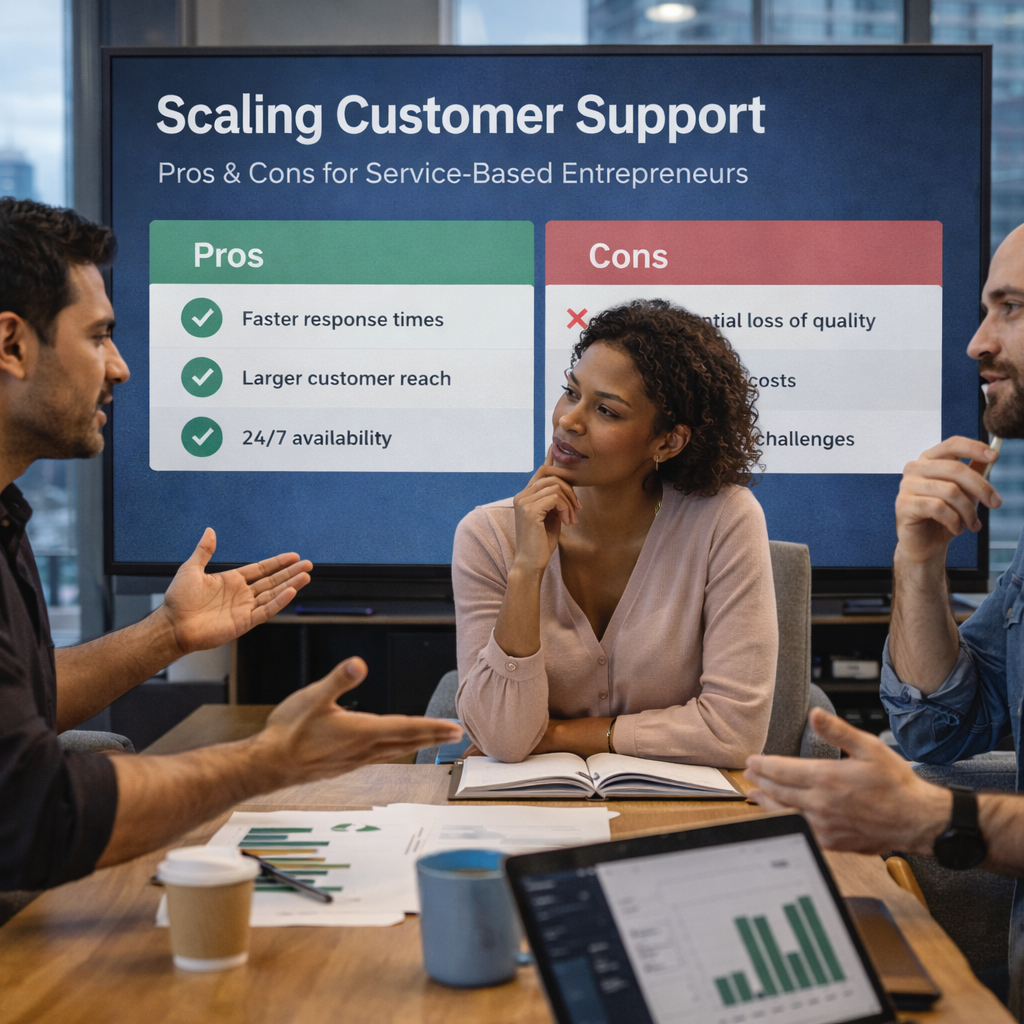
Doing your own SEO saves money and helps you learn foundational skills firsthand. However, it may stretch your time and limit results if you’re juggling multiple responsibilities. Outsourcing can offer expertise and faster results, but requires investment and trust in external partners.
When to Seek Professional Help
Consider outsourcing if your SEO needs become too technical, or if you need to scale content production quickly. Prioritize agencies or freelancers who specialize in service-based businesses, and always ask for educational support—not just deliverables.